How Your HVAC System Regulates Indoor Humidity & Air Quality
Your HVAC system does much more than cool or heat a building. It also plays an important role in controlling indoor humidity, bringing in outdoor air, removing airborne particles, and maintaining a more comfortable indoor environment. When properly designed, operated, and maintained, an HVAC system can support both thermal comfort and indoor air quality. This […]
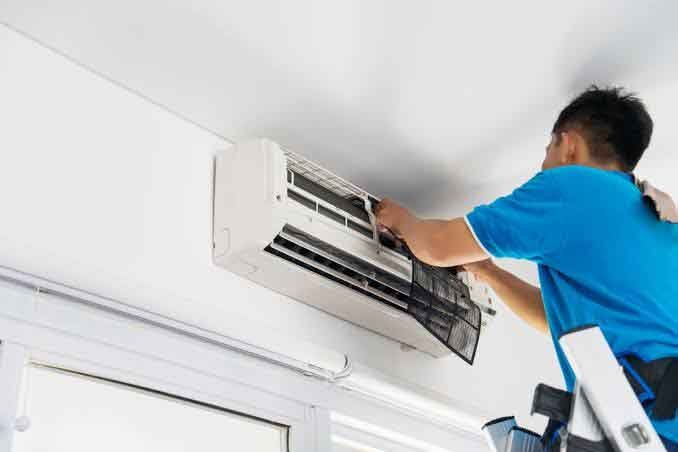
Your HVAC system does much more than cool or heat a building. It also plays an important role in controlling indoor humidity, bringing in outdoor air, removing airborne particles, and maintaining a more comfortable indoor environment. When properly designed, operated, and maintained, an HVAC system can support both thermal comfort and indoor air quality.
This is particularly important in commercial buildings, offices, hotels, healthcare facilities, retail spaces, and industrial environments where large numbers of people or sensitive equipment may depend on stable indoor conditions.
How HVAC Systems Control Indoor Humidity
Humidity refers to the amount of moisture present in the air. During cooling, warm indoor air passes over cold surfaces inside the air-conditioning equipment. When the air is cooled below its dew point, some of its moisture condenses and is collected through the system’s drain pan and drainage system.
This means conventional air-conditioning equipment provides some dehumidification as part of the cooling process. However, temperature control and humidity control are not exactly the same thing. ASHRAE notes that conventional air conditioners may not provide sufficient dehumidification in some hot and humid conditions because their primary function is temperature control.
If an HVAC system is oversized, for example, it may reach the desired temperature quickly and cycle off before removing enough moisture from the air. A building can therefore feel cool while still having excessive indoor humidity.
For spaces where humidity needs to be controlled more precisely, HVAC design may incorporate dedicated dehumidification equipment, humidity sensors, controls, or other moisture-management strategies.
Why Indoor Humidity Matters
Keeping moisture under control is important for both comfort and building conditions. EPA recommends maintaining indoor relative humidity around 30 to 50 percent in typical indoor environments, while also advising that humidity should generally remain below 60 percent.
Excessive moisture can encourage mold and other biological contaminants. It can also create a damp or uncomfortable indoor environment. On the other hand, excessively dry conditions may contribute to dry eyes, irritated mucous membranes, and sinus discomfort.
The right humidity level depends on the building, climate, occupancy, equipment, and application, so commercial HVAC systems should be assessed according to the specific requirements of the space.
How HVAC Systems Improve Indoor Air Quality
Indoor air quality, or IAQ, is influenced by many factors, including pollutants produced indoors, outdoor air, building materials, occupants, moisture, and the operation and maintenance of HVAC equipment. EPA identifies source control, ventilation, and filtration or air cleaning as key strategies for improving indoor air quality.
HVAC systems support these strategies in several ways.
Ventilation Brings in Outdoor Air
Mechanical ventilation can introduce outdoor air into a building while exhausting or removing indoor air. This helps dilute indoor pollutants and can reduce concentrations of contaminants when outdoor air conditions are suitable.
ASHRAE’s ventilation standards establish requirements and approaches for achieving acceptable indoor air quality, including ventilation, filtration, controls, air cleaning, and building operation and maintenance.
However, simply bringing in more outdoor air is not always the answer. In hot and humid climates, outdoor air can introduce additional heat and moisture. EPA specifically notes that warm outdoor air can add moisture to a building even when its relative humidity is lower than indoors.
This is why ventilation rates, humidity control, cooling capacity, and energy performance need to be considered together.
HVAC Filters Help Remove Airborne Particles
Filters installed in HVAC systems can capture many airborne particles, depending on the filter type, efficiency, airflow, and operating conditions. Dust and other particulate pollutants can therefore be reduced as air passes through the system.
EPA describes filtration as an important supplement to source control and ventilation rather than a complete replacement for them. HVAC filters cannot remove every type of indoor pollutant.
Filter maintenance is equally important. Dirty or improperly maintained filters can affect system performance and airflow. EPA recommends following the manufacturer’s instructions for cleaning or replacing filters.
For commercial facilities, filter selection should also consider the HVAC equipment, pressure drop, airflow requirements, building use, and applicable standards rather than simply choosing the highest available filtration level.
Airflow Distribution Also Matters
Even when an HVAC unit has adequate cooling and filtration capacity, poor air distribution can create uneven conditions. Some areas may become too warm, too cold, humid, or poorly ventilated.
Proper ductwork, air balancing, supply-air distribution, return-air pathways, and control strategies help the system deliver conditioned air where it is needed.
ASHRAE emphasizes that indoor environmental quality depends on several factors, including thermal regulation, pollutant control, acceptable air supply, removal of unwanted air, and proper construction, operation, and maintenance of building systems.
Why HVAC Maintenance Is Important
A well-designed HVAC system cannot maintain good indoor conditions if it is poorly maintained. Filters, coils, drain pans, condensate drains, fans, dampers, sensors, and other components all influence system performance.
For example, blocked condensate drainage can interfere with moisture removal, while dirty coils can reduce heat-transfer performance. Problems with ventilation components or controls can also affect the amount and distribution of outdoor air.
Regular inspection and preventive maintenance allow building operators to identify these issues before they become larger comfort, moisture, or air-quality problems.
Signs Your HVAC System May Have a Humidity or Air Quality Problem
Certain building conditions can indicate that the HVAC system needs attention. Persistent condensation, musty odors, visible mold, unusually damp rooms, excessive dust, inconsistent temperatures, or poor airflow can all justify further investigation.
However, these symptoms do not automatically identify the HVAC system as the cause. Indoor air quality is influenced by multiple factors, including pollutant sources, building conditions, ventilation, moisture, and occupant activities. EPA recommends looking at these factors together rather than relying on a single solution.
How Businesses Can Improve HVAC Performance
Businesses can take several practical steps to support better humidity control and indoor air quality. These include maintaining HVAC equipment according to manufacturer requirements, inspecting filters and replacing them when necessary, keeping condensate drainage systems clear, checking ventilation performance, and monitoring temperature and humidity.
For larger facilities, professional HVAC assessment can help determine whether the existing system has sufficient cooling, ventilation, filtration, and humidity-control capacity for the building’s actual operating conditions.
ASHRAE also emphasizes that HVAC design and operation should address indoor air quality as part of overall building performance rather than treating it as a separate issue.
Final Thoughts
Your HVAC system is an important part of maintaining a comfortable and healthy indoor environment. Cooling equipment can remove moisture while lowering temperature, ventilation can help dilute indoor pollutants, and filtration can capture many airborne particles. But these functions work best when the system is correctly designed, properly sized, well maintained, and operated according to the needs of the building.
For businesses, effective HVAC management is therefore not simply about keeping rooms cool. It is about balancing temperature, humidity, ventilation, filtration, airflow, and maintenance to create consistent indoor conditions and support better indoor air quality.
Looking for Rental Cooling?
Engineered temporary cooling solutions across Dubai, Abu Dhabi, Sharjah, and Northern Emirates. High-efficiency air-cooled and water-cooled rental chillers from...