Temporary Oil & Gas Offshore Skid Chiller Deployment: DNV 2.7-1 Compliance
Deploying temporary cooling on offshore oil platforms requires certified DNV 2.7-1 crash frames, slings, and ATEX Zone 2 explosion-proof electrical certification.
Offshore oil platforms, drilling rigs, and Floating Production Storage and Offloading (FPSO) vessels operating in UAE territorial waters (such as Upper Zakum, Das Island, and Fateh field) operate under the strictest international maritime safety mandates. Any temporary equipment lifted offshore must comply with DNV 2.7-1 / EN 12079 structural lifting standards.
During living quarter HVAC overhauls, offshore gas compressor turnaround cooling, or topside processing bottlenecks, failure to maintain safe temperatures can force oilfield shut-ins costing hundreds of thousands of dollars per hour. Certified offshore skid chillers provide turnkey thermal reliability.
Engineering Principles & Technical Specifications
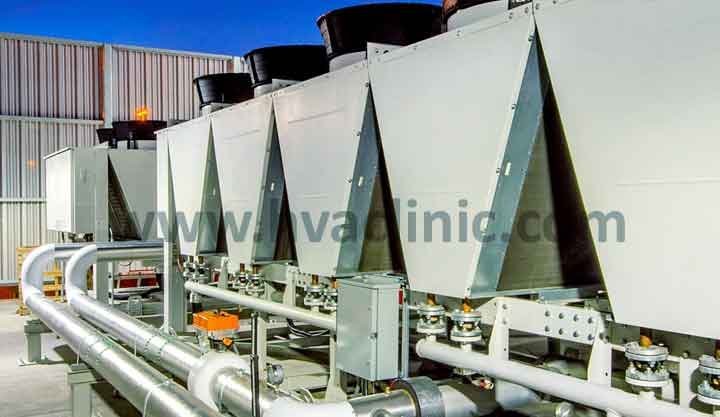
Offshore equipment must survive extreme salinity, H2S exposure, and offshore crane dynamics. Chillers are housed within heavy-gauge structural crash frames equipped with certified 4-point wire rope slings, shackles, spark arrestors, and Zone 2 hazardous area gas detection interlocks.
| Offshore Application | Hazardous Classification | Cooling Capacity | Structural Frame Standard | Coating Specification | Electrical Feed |
|---|---|---|---|---|---|
| Living Quarter Overhaul | Safe Area / Unclassified | 100 TR Skid | DNV 2.7-1 / EN 12079 | C5M Marine Epoxy | 400V / 3Ph / 50Hz Shore/Genset |
| Mud Pit Process Cooling | ATEX Zone 2 (Cat 3G) | 150 TR Ex-Proof | DNV 2.7-1 Crash Frame | NORSOK M-501 System 1 | 460V / 3Ph / 60Hz Rig Bus |
| Wellhead Instrument Cooling | ATEX Zone 2 (IIB T3) | 60 TR Compact | DNV 2.7-1 Mini-Skid | Blygold + 316 Stainless | 400V / 50Hz Explosion-Proof |
| FPSO Gas Compression Shaving | Zone 2 Hazardous | 250 TR Modular Rig | DNV 2.7-1 Heavy Skid | Thermal Spray Aluminum | 690V / 60Hz Platform Grid |
Step-by-Step Technical Execution & Mobilization Protocol
To ensure seamless reliability under extreme UAE summer ambient conditions (reaching +50°C to +52°C), our engineering logistics teams implement the following structured workflow:
- Offshore Certification & MPI Weld Verification: Verify magnetic particle inspection (MPI) certificates, slings, shackles, and load test documentation for the DNV 2.7-1 skid prior to port loading.
- Hazardous Area Safety Verification: Confirm Ex-d explosion-proof motor enclosures, intrinsically safe control circuits, and certified gas detection automatic cut-off systems.
- Supply Boat Stevedoring & Quayside Rigging: Load certified skids onto offshore supply vessels (OSVs) at Mussafah or Hamriyah Port with qualified rigging personnel and sea-fastenings.
- Offshore Platform Crane Lift & Siting: Execute offshore crane transfer following dynamic lift guidelines (significant wave height limits) onto designated platform laydown areas.
- Hydro-Test & Commissioning with Offshore Technicians: Pressure test flexible marine hoses with nitrogen, commission variable pumps, and station BOSIET/OPITO certified technicians for continuous shifts.
Common Operating Pitfalls & Desert Condition Mitigation
Operating HVAC and power plant equipment across Dubai, Abu Dhabi, Sharjah, and coastal industrial zones like JAFZA presents severe thermodynamic challenges. The following table of risks must be actively managed:
- Rigging Failure During Dynamic Offshore Crane Lift: Mandate third-party DNV/Lloyds certified lifting slings with valid 6-month inspection tags and documented pad-eye NDT checks.
- H2S Atmospheric Attack on Copper Refrigerant Lines: Encase all copper piping in electro-tinned coating or sealed enclosures with positive purge pressurization.
- Gas Ingress Triggering Platform ESD Alarms: Equip chillers with integrated certified pellistor and infrared gas detectors linked to emergency shutdown (ESD) solenoids.
Turnkey Commercial Execution & SLA Guarantees
At HVAC Clinic, every deployment is backed by certified mechanical refrigeration technicians and electrical engineers. We maintain operational depot staging yards in Al Quoz (Dubai), Musaffah (Abu Dhabi), and Industrial Area (Sharjah), enabling guaranteed 60 to 120-minute emergency mobilization across all 7 Emirates.
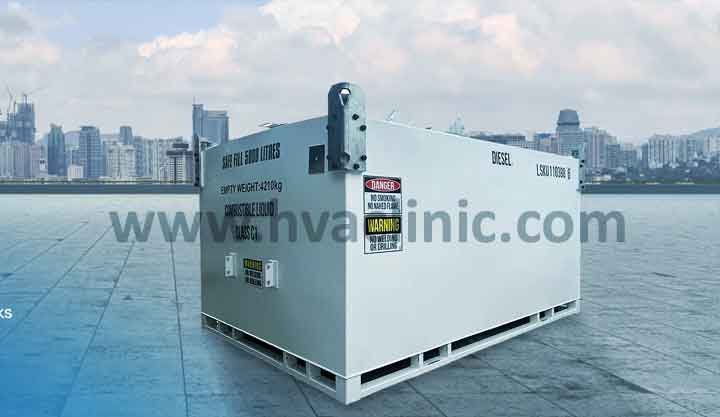
Our temporary installations include turnkey high-pressure flexible hoses, Bauer quick-action couplings, variable primary pumping stations, double-walled fuel tanks, and round-the-clock telemetry monitoring. For specialized project sizing, explore our core Rental Cooling Solutions capabilities.
Frequently Asked Technical Questions
Are your offshore rental chillers certified for DNV 2.7-1 lifting?▼
Do your technicians possess offshore survival certificates?▼
Can you supply chillers operating on 60 Hz electrical frequencies for US-spec rigs?▼
Looking for Rental Chiller in UAE?
Engineered temporary cooling solutions across Dubai, Abu Dhabi, Sharjah, and Northern Emirates. High-efficiency air-cooled and water-cooled rental chillers from...