Condenser Tube Chemical Descaling: Acid Circulation vs Mechanical Brush Systems
Calcium carbonate scale acts as a thermal insulator. Just 0.6mm of scale increases chiller electrical power consumption by 21%. Compare descaling methods.
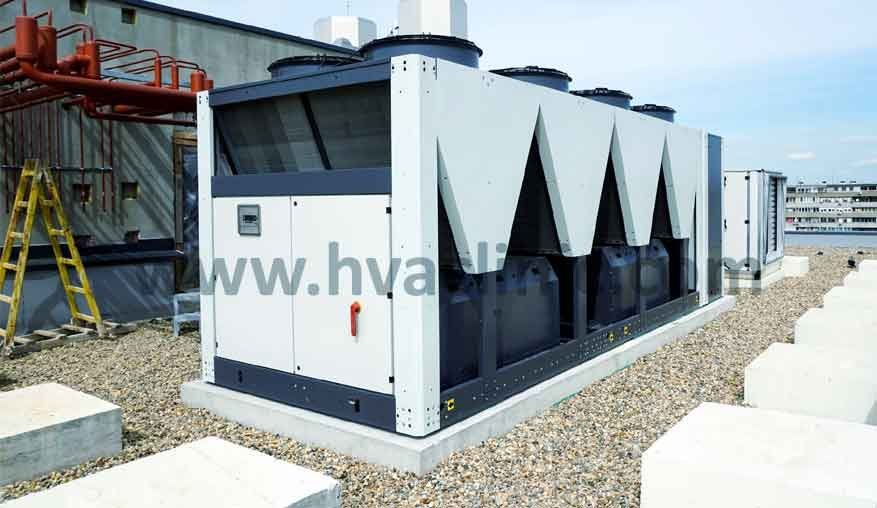
Water-cooled chillers in UAE commercial developments and district cooling plants evaporate millions of gallons of water annually. High concentrations of calcium, magnesium carbonates, and silica in regional makeup water create dense mineral scale on the internal bore of condenser copper tubes.
Calcium carbonate ($CaCO_3$) has a thermal conductivity 30 times lower than copper ($k \approx 1.3 \text{ W/m}\cdot\text{K}$ vs $385 \text{ W/m}\cdot\text{K}$). Even a micro-thin layer of scale (0.5mm) acts as an insulative thermal barrier, causing condenser approach temperatures to spike, forcing compressors to consume up to 25% more power and triggering high-head trips. Selecting between chemical circulation and mechanical brushing is vital for equipment preservation.
Engineering Principles & Technical Specifications
Thermodynamic efficiency loss follows the fouling resistance equation: $R_f = \frac{1}{U_{fouled}} - \frac{1}{U_{clean}}$. Removing 1mm of scale reduces compressor power consumption by approximately 8% to 12% across standard operating loads.
| Descaling Method | Cleaning Agent / Tool | Scale Removal Effectiveness | Copper Base Metal Loss | Execution Time | Environmental Disposal |
|---|---|---|---|---|---|
| Rotary Mechanical Brushing | Nylon / Brass spiral brushes | Removes soft silt & loose scale | Zero metal erosion | 4 to 6 Hours | Clean rinse water drain |
| High-Pressure Hydro-Jetting | Water jetting @ 700 to 1,000 bar | Removes medium scale & mud | Zero metal loss (if angled correctly) | 6 to 8 Hours | Water collection required |
| Inhibited Sulfamic Acid | Sulfamic acid + corrosion inhibitor | Dissolves 98% calcium carbonate | <0.01 mm/hr base metal loss | 8 to 12 Hours | Requires alkaline neutralization |
| Inhibited Hydrochloric Acid | 5% – 8% HCl + copper passivator | Dissolves dense heavy scale | Moderate risk if unmonitored | 6 to 10 Hours | Mandatory pH neutralization |
Step-by-Step Technical Execution & Mobilization Protocol
To ensure seamless reliability under extreme UAE summer ambient conditions (reaching +50°C to +52°C), our engineering logistics teams implement the following structured workflow:
- Approach Temperature & Delta-P Diagnostic Baseline: Record baseline condenser water entering/leaving temperatures, refrigerant condensing pressure, and water box differential pressure to quantify fouling.
- Scale Chemistry & Mineral Sampling: Scrape scale samples from tube ends and test with hydrochloric acid dropper to identify whether scale is carbonate-based (effervesces) or silica/sulfate-based.
- Rotary Mechanical Tube Brushing Pass: Run flexible shaft rotary nylon/brass brushes with continuous flushing water down every tube to remove loose sediment and expose hard scale.
- Inhibited Chemical Acid Circulation Loop: Connect external chemical circulation pump skid, circulating 8% inhibited sulfamic acid solution while continuously testing pH and copper levels in the effluent.
- Alkaline Neutralization & Passivation Rinse: Circulate dilute sodium bicarbonate (soda ash) solution to neutralize residual acid, followed by sodium nitrite passivation to form a protective oxide layer on copper.
Common Operating Pitfalls & Desert Condition Mitigation
Operating HVAC and power plant equipment across Dubai, Abu Dhabi, Sharjah, and coastal industrial zones like JAFZA presents severe thermodynamic challenges. The following table of risks must be actively managed:
- Acid Eating Copper Base Metal (Pitting): Always use commercial acid formulations with registered copper corrosion inhibitors (benzotriazole) and limit circulation time to under 12 hours.
- Carbon Dioxide Gas Accumulation Causing Pump Cavitation: Incorporate an open vented circulation reservoir tank allowing carbon dioxide gas bubbles to escape freely into the atmosphere.
- Discharging Acidic Effluent into Municipal Drains: Mandate on-site chemical neutralization to bring effluent pH strictly between 6.5 and 8.5 before discharge, complying with Dubai Municipality standards.
Turnkey Commercial Execution & SLA Guarantees
At HVAC Clinic, every deployment is backed by certified mechanical refrigeration technicians and electrical engineers. We maintain operational depot staging yards in Al Quoz (Dubai), Musaffah (Abu Dhabi), and Industrial Area (Sharjah), enabling guaranteed 60 to 120-minute emergency mobilization across all 7 Emirates.
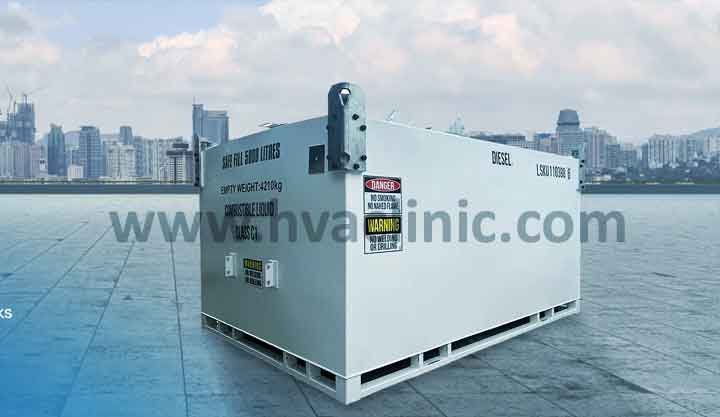
Our temporary installations include turnkey high-pressure flexible hoses, Bauer quick-action couplings, variable primary pumping stations, double-walled fuel tanks, and round-the-clock telemetry monitoring. For specialized project sizing, explore our core Chiller Maintenance & Overhaul capabilities.
Frequently Asked Technical Questions
How much power does dirty condenser scale waste in Dubai?▼
Can acid cleaning damage my chiller copper tubes?▼
Which is better: chemical descaling or mechanical brushing?▼
Looking for Chiller Maintenance?
Comprehensive industrial and commercial chiller maintenance services across Dubai, Abu Dhabi, Sharjah, and the UAE. Annual Maintenance Contracts (AMC), emergenc...