Glycol Concentration Hydrometer Testing and pH Buffering for Sub-Zero Chillers
Diluted or degraded glycol solutions cause catastrophic evaporator burst freezing. Regular refractometer testing and pH buffering protect process loops.
Process chillers operating across UAE food and beverage manufacturing plants, chemical processing facilities, ice rinks, and cold storage logistics hubs circulate secondary coolant mixtures of water and inhibited glycol (ethylene glycol or propylene glycol) at sub-zero temperatures (-5°C to -15°C).
If the glycol concentration drops due to raw water top-ups, the fluid freezing point rises above the evaporator operating temperature, causing instant ice formation that bursts copper heat exchanger tubes. Furthermore, exposed to air and high thermal cycles, glycol naturally oxidizes into organic acids (glycolic, formic, and oxalic acids), plummeting fluid pH and aggressively corroding steel and copper piping. Regular testing is vital.
Engineering Principles & Technical Specifications
Fluid testing evaluates: Volume concentration (% vol) via digital optical refractometer (ASTM D3321), Specific Gravity via precision hydrometer, Fluid pH (target 8.5 to 10.0 via calibrated glass electrode pH meter), and Reserve Alkalinity (ASTM D1121).
| Glycol Type & % Volume | Specific Gravity @ 20°C | Freezing Point (°C) | Burst Protection Temp (°C) | Minimum Safe Operating Temp |
|---|---|---|---|---|
| 20% Propylene Glycol | 1.018 SG | -7.1°C Freeze | -15.0°C Burst | -2.0°C Fluid Supply |
| 30% Propylene Glycol | 1.026 SG | -12.7°C Freeze | -28.0°C Burst | -7.0°C Fluid Supply |
| 40% Propylene Glycol | 1.034 SG | -21.1°C Freeze | -45.0°C Burst | -15.0°C Fluid Supply |
| 35% Ethylene Glycol | 1.050 SG | -19.4°C Freeze | -40.0°C Burst | -14.0°C Industrial Supply |
Step-by-Step Technical Execution & Mobilization Protocol
To ensure seamless reliability under extreme UAE summer ambient conditions (reaching +50°C to +52°C), our engineering logistics teams implement the following structured workflow:
- Digital Optical Refractometer Concentration Testing: Place two drops of glycol sample on the prism of a temperature-compensated optical refractometer, recording volume percentage and refractive index.
- Precision Glass Hydrometer Specific Gravity Test: Float a calibrated Baume specific gravity hydrometer in a graduated cylinder, correcting reading for sample fluid temperature.
- Digital pH Electrode Measurement: Measure fluid pH using a 2-point calibrated digital pH meter; readings below 8.0 indicate that corrosion inhibitors are depleted and acid is forming.
- Reserve Alkalinity Chemical Titration: Titrate a 10ml glycol sample with 0.1N hydrochloric acid to a pH of 5.5 to quantify remaining acid-neutralizing buffer reserves.
- Chemical Inhibitor Re-Dosing & Passivation: Add concentrated potassium phosphate / tolyltriazole liquid corrosion inhibitor packages and virgin inhibited glycol to restore optimal pH and freeze protection.
Common Operating Pitfalls & Desert Condition Mitigation
Operating HVAC and power plant equipment across Dubai, Abu Dhabi, Sharjah, and coastal industrial zones like JAFZA presents severe thermodynamic challenges. The following table of risks must be actively managed:
- Using Inaccurate Automotive Dip-Ball Testers: Never use floating ball hydrometers; strictly use calibrated optical digital refractometers calibrated with distilled water.
- Mixing Ethylene and Propylene Glycol: Never mix ethylene and propylene glycol in the same system; their differing refractive indices make future concentration testing impossible.
- Topping Up with Hard Unsoftened Tap Water: Always top up closed loops with demineralized or reverse-osmosis (RO) water to prevent calcium sulfate scaling.
Turnkey Commercial Execution & SLA Guarantees
At HVAC Clinic, every deployment is backed by certified mechanical refrigeration technicians and electrical engineers. We maintain operational depot staging yards in Al Quoz (Dubai), Musaffah (Abu Dhabi), and Industrial Area (Sharjah), enabling guaranteed 60 to 120-minute emergency mobilization across all 7 Emirates.
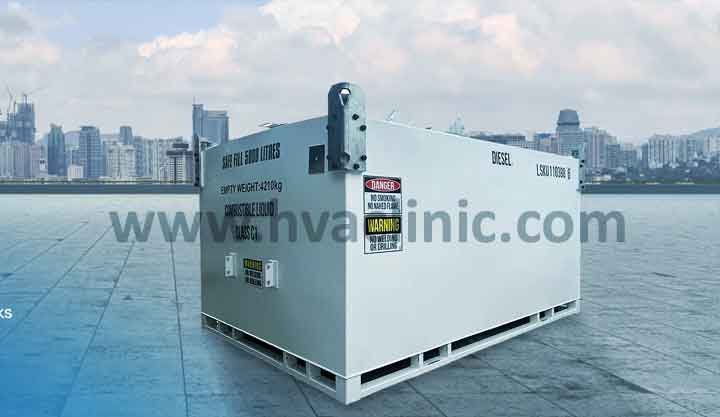
Our temporary installations include turnkey high-pressure flexible hoses, Bauer quick-action couplings, variable primary pumping stations, double-walled fuel tanks, and round-the-clock telemetry monitoring. For specialized project sizing, explore our core Chiller Maintenance & Overhaul capabilities.
Frequently Asked Technical Questions
How often should glycol concentration be tested in UAE industrial chillers?▼
What is the minimum safe pH for chiller glycol loops?▼
Why does glycol turn acidic over time?▼
Looking for Chiller Maintenance?
Comprehensive industrial and commercial chiller maintenance services across Dubai, Abu Dhabi, Sharjah, and the UAE. Annual Maintenance Contracts (AMC), emergenc...