Microchannel Condenser Coil Repair vs Replacement in Corrosive Marine Zones
All-aluminum microchannel coils save weight and refrigerant, but coastal salt spray causes rapid galvanic corrosion. Know when to repair vs replace.
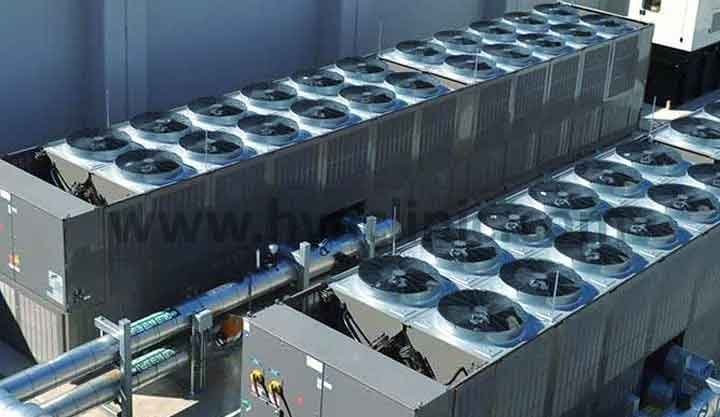
Modern commercial air-cooled chillers (York, Trane, Carrier, Daikin) extensively utilize all-aluminum microchannel heat exchangers (MCHX). Microchannel coils feature extruded flat multi-port tubes brazed to louvered aluminum fins, offering superior heat transfer efficiency, compact physical depth, and 40% less refrigerant charge than traditional copper-tube/aluminum-fin coils.
However, along coastal zones of the UAE (such as Dubai Marina, Palm Jumeirah, and Abu Dhabi Corniche), high airborne salinity combined with ambient humidity produces aggressive galvanic corrosion and micro-pitting in thin-walled aluminum ports. Facility managers face a difficult choice: execute localized ultrasonic solder repairs or invest in complete coil replacement with heavy protective coatings.
Engineering Principles & Technical Specifications
Microchannel tube wall thickness is only 0.25mm to 0.40mm. Localized repair requires low-temperature aluminum braze alloys (zinc-aluminum wire with non-corrosive flux) or specialized two-part cryogenic epoxy compounds, while full replacement evaluates lifecycle CapEx.
| Corrosion Condition / Severity | Number of Active Leaks | Fin Integrity Status | Recommended Engineering Action | Expected Repair Lifespan |
|---|---|---|---|---|
| Single Port Puncture | 1 – 2 Localized Pinhole Leaks | >90% Fin Bond Intact | Low-temp zinc-aluminum solder repair | 12 to 24 Months |
| Manifold Header Joint Crack | Stress crack at header seam | Sound Fin Structure | TIG weld aluminum header patch | 24+ Months |
| Widespread Coastal Pitting | 4 – 8 Pinholes across face | Severe fin oxidation & crumbling | Complete Coil Replacement Required | Brand-New OEM Life |
| Galvanic Frame Dissimilar Contact | Tubes corroding at steel frame | Fin separation from tubes | Replace with E-coated or Blygold coil | 7 to 10 Year Life |
Step-by-Step Technical Execution & Mobilization Protocol
To ensure seamless reliability under extreme UAE summer ambient conditions (reaching +50°C to +52°C), our engineering logistics teams implement the following structured workflow:
- Fluorescent Dye & Bubble Leak Identification: Isolate the defective coil, pressurize with dry nitrogen to 15 bar, and apply micro-leak bubble solution to pinpoint exact aluminum port punctures.
- Mechanical Fin Cutting & Port Exposure: Carefully cut away adjacent delicate louvered aluminum fins around the puncture site using micro-cutters, exposing the bare flat extruded tube.
- Oxide Layer Stainless Steel Abrasion: Scrape stubborn aluminum oxide film from the repair zone using a dedicated stainless steel wire brush and solvent wipe.
- Low-Temperature Torch or Induction Brazing: Heat the aluminum tube with a gentle carburizing flame to approximately 380°C, applying zinc-aluminum filler rod to seal the puncture without melting parent metal.
- Post-Repair Pressure Hold & Polyurethane Sealing: Test repair at 25 bar nitrogen hold for 4 hours, and seal exposed raw metal with a UV-stable polyurethane anti-corrosion barrier paint.
Common Operating Pitfalls & Desert Condition Mitigation
Operating HVAC and power plant equipment across Dubai, Abu Dhabi, Sharjah, and coastal industrial zones like JAFZA presents severe thermodynamic challenges. The following table of risks must be actively managed:
- Melting Adjacent Microchannel Tubes with Torch: Aluminum melts at ~660°C with zero color change warning; use low-temperature braze rods (melting at 380°C) with heat-sink clay paste.
- Using Corrosive Acid Flux Residue: Never use traditional acid flux; utilize non-corrosive cesium fluoroaluminate flux and thoroughly clean all residues post-braze.
- Repeated Leaks Developing Across Corroded Coils: If a coil has more than 5 distinct leak sites, aluminum wall thinning is widespread and localized patching will fail within weeks; replace the coil.
Turnkey Commercial Execution & SLA Guarantees
At HVAC Clinic, every deployment is backed by certified mechanical refrigeration technicians and electrical engineers. We maintain operational depot staging yards in Al Quoz (Dubai), Musaffah (Abu Dhabi), and Industrial Area (Sharjah), enabling guaranteed 60 to 120-minute emergency mobilization across all 7 Emirates.
Our temporary installations include turnkey high-pressure flexible hoses, Bauer quick-action couplings, variable primary pumping stations, double-walled fuel tanks, and round-the-clock telemetry monitoring. For specialized project sizing, explore our core Chiller Maintenance & Overhaul capabilities.
Frequently Asked Technical Questions
Can microchannel aluminum coils really be repaired on site in Dubai?▼
Why do microchannel coils corrode so fast near the beach?▼
What is the best coating to protect replacement microchannel coils?▼
Looking for Chiller Maintenance?
Comprehensive industrial and commercial chiller maintenance services across Dubai, Abu Dhabi, Sharjah, and the UAE. Annual Maintenance Contracts (AMC), emergenc...