Temporary Cooling Systems for Businesses in UAE
Businesses in the UAE depend on reliable cooling for offices, retail spaces, hotels, warehouses, industrial facilities, events, healthcare environments, construction projects, and other commercial operations. When a permanent air conditioning or chiller system is unavailable, overloaded, undergoing maintenance, or waiting for replacement, businesses may need another way to maintain the required indoor or process temperature. […]
Businesses in the UAE depend on reliable cooling for offices, retail spaces, hotels, warehouses, industrial facilities, events, healthcare environments, construction projects, and other commercial operations. When a permanent air conditioning or chiller system is unavailable, overloaded, undergoing maintenance, or waiting for replacement, businesses may need another way to maintain the required indoor or process temperature.
This is where temporary cooling systems for businesses in the UAE can provide a practical solution.
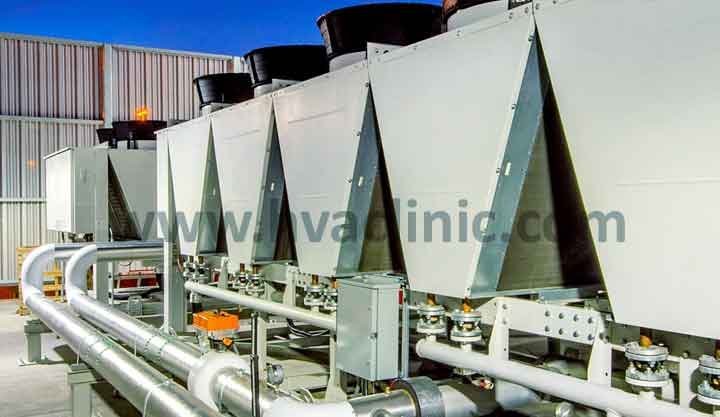
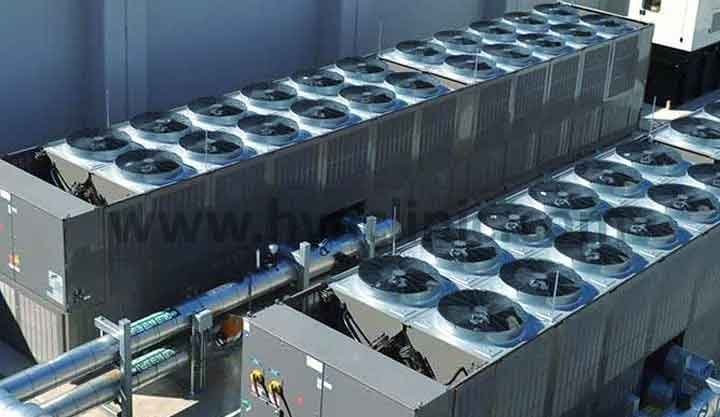
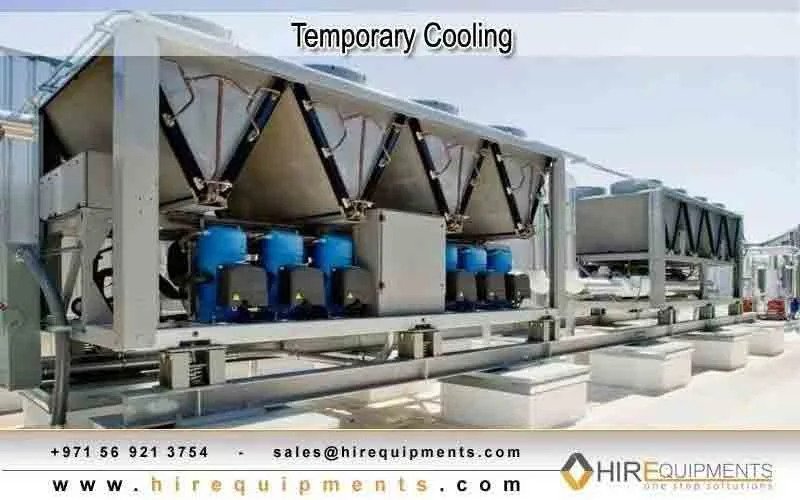
Temporary cooling refers to cooling equipment installed or connected for a limited period rather than becoming a permanent part of a building’s HVAC infrastructure. Depending on the application, the solution can include rental chillers, air handling units, packaged air conditioning units, portable air conditioners, pumps, hoses, temporary pipework, controls, and other supporting equipment.
UAE cooling-rental providers currently offer temporary systems for applications ranging from emergency breakdowns and planned maintenance to construction projects, events, industrial processes, commercial facilities, warehouses, and critical environments. For example, Al Shola lists air-cooled chillers, AHUs, packaged AC units and portable AC units as part of its temporary cooling offering, while Rental Power describes temporary chillers for emergency, seasonal and project requirements.
The exact system required depends on the building, heat load, required cooling capacity, available power, connection points, operating conditions, rental period, and site access.
What Are Temporary Cooling Systems?
A temporary cooling system is a short-term or project-specific HVAC arrangement used when a permanent cooling system cannot provide the required capacity or cannot be operated.
Unlike a permanent HVAC installation, temporary cooling equipment is generally supplied for a defined period. Once the requirement ends, the equipment can be disconnected and removed.
Temporary cooling can therefore act as a bridge between two operating conditions. A business may use it while a failed chiller is being repaired, while a new HVAC system is being installed, during a planned shutdown, during a seasonal increase in cooling demand, or while a new facility is waiting for its permanent cooling infrastructure.
Daikin describes rental HVAC as a solution for situations such as system failures, planned shutdowns and events where existing infrastructure is not sufficient. Its UAE partnership with Al Shola also identifies construction, energy, healthcare, cultural events and large-scale projects as areas where temporary cooling demand is growing.
Temporary cooling does not necessarily mean a single portable air conditioner. For a large commercial or industrial requirement, it can involve a coordinated temporary cooling plant containing chillers, pumps, air-handling equipment, hoses, electrical equipment and control systems.
Why Do UAE Businesses Need Temporary Cooling?
Cooling is an operational requirement for many UAE businesses rather than simply a comfort feature. A cooling failure can affect occupants, equipment, production activities, inventory, events and business operations.
The UAE climate also places significant demands on HVAC equipment. Daikin’s UAE technical material notes that summer conditions can push cooling equipment into high-ambient operating conditions, while coastal humidity creates an additional heat and moisture load.
This means that selecting temporary equipment simply because it has a particular cooling capacity is not always sufficient. The equipment must be appropriate for the site’s operating conditions.
Common reasons for temporary cooling include:
Planned HVAC Maintenance
A commercial building may need to shut down one or more permanent cooling units for inspection, servicing, refurbishment or other planned work. Temporary cooling can help maintain operations during the shutdown.
Chiller Breakdown
An unexpected chiller failure can remove a significant portion of a building’s cooling capacity. A temporary chiller can provide replacement or supplementary capacity while permanent equipment is repaired.
HVAC Replacement Projects
During a major HVAC replacement, the existing equipment may need to be removed before the new equipment is commissioned. Temporary cooling can bridge this gap.
Seasonal Cooling Demand
A facility may require additional cooling capacity during periods of high demand without needing to purchase another permanent chiller.
Construction and Fit-Out
New buildings and renovated facilities may require temporary cooling before their permanent HVAC system is fully operational. Temporary systems can also support particular construction or fit-out requirements.
Events and Temporary Venues
Events, exhibitions, temporary structures and tents can require cooling without having a permanent HVAC installation.
Industrial and Process Cooling
Some industrial operations require controlled cooling for equipment or processes. Temporary chillers can provide additional capacity during maintenance, production changes or temporary projects.
Critical Facilities
Facilities where temperature control is particularly important may use temporary cooling as a contingency solution or as additional capacity during maintenance and equipment failure.
UAE rental providers currently describe temporary cooling applications across commercial, industrial, construction, event, warehouse, hospitality and critical-environment projects.
How Do Temporary Cooling Systems Work?
The way a temporary cooling system works depends on the equipment selected.
A simple portable AC unit works differently from a large temporary chiller plant. However, the basic objective remains the same: remove heat from the required space, water circuit or process and reject that heat somewhere else.
For large commercial applications, temporary chillers are commonly used.
A chiller is essentially a refrigeration system designed to cool water. The U.S. Department of Energy explains that mechanical-compression chillers use four principal refrigeration components: the evaporator, compressor, condenser and expansion device.
In a typical chilled-water arrangement, the process works broadly as follows.
1. The Chiller Removes Heat
The chiller uses a refrigeration cycle to extract heat from water circulating through the system.
The chilled water then becomes the cooling medium for the building or process.
2. Chilled Water Is Circulated
A pump moves the chilled water through the temporary or existing cooling circuit.
Depending on the application, chilled water can be supplied to air-handling units, fan coil units, heat exchangers or other cooling equipment.
3. Air or Process Heat Is Transferred to the Water
Inside an AHU or similar heat-transfer device, warm air passes over a cooling coil containing chilled water.
Heat moves from the warmer air into the chilled-water circuit.
For process applications, the same principle can be used to remove heat from industrial equipment or a process loop.
4. The Water Returns to the Chiller
After absorbing heat, the water returns to the chiller.
The refrigeration system removes that heat and cools the water again.
5. Heat Is Rejected
The heat extracted from the building or process must ultimately be rejected to the surrounding environment.
In an air-cooled chiller, condenser fans reject heat directly to outdoor air.
Water-cooled systems use a condenser-water circuit and typically require associated cooling-tower infrastructure.
The U.S. Department of Energy’s chiller guidance describes the refrigeration cycle through the evaporator, compressor, condenser and expansion device, while UAE rental providers distinguish air-cooled and water-cooled configurations according to site requirements and applications.
What Equipment Can Be Used for Temporary Cooling?
Temporary cooling systems can be configured in several ways.
The correct equipment depends on the required cooling load, space, application and site conditions.
Temporary Chillers
Temporary chillers are commonly used when a building or industrial process requires substantial cooling capacity.
Rental Power describes rental chillers as temporary cooling units that can connect to existing pipework or a temporary loop.
They can be used for emergency replacement, planned maintenance, seasonal capacity and temporary projects.
Air-Cooled Chillers
Air-cooled chillers reject heat directly to outdoor air and generally do not require a cooling tower.
This can make them useful for temporary projects where rapid deployment or simpler site arrangements are important.
Al Shola, for example, lists air-cooled chillers within its temporary cooling fleet and describes their use across temporary, process, commercial and emergency applications.
Water-Cooled Chillers
Water-cooled chillers use a condenser-water system to reject heat. They can be appropriate for larger or more continuous cooling requirements when suitable infrastructure is available.
The required arrangement is more involved because the project may require additional equipment such as cooling towers, condenser-water pumps and associated connections.
Air Handling Units
AHUs can distribute cooled air to the required areas.
For a temporary cooling project, the AHU may be connected to a temporary chiller using chilled-water hoses or temporary pipework.
Al Shola currently lists AHU rental as part of its temporary cooling solutions.
Packaged Air Conditioning Units
Packaged AC units can be useful for particular commercial or temporary spaces where a centralized chilled-water arrangement is not required.
Portable Air Conditioners
Portable AC equipment can provide localized cooling for smaller areas or specific rooms.
It is not necessarily a substitute for a large central cooling system. Instead, it can be appropriate when cooling is required only in selected areas.
Al Shola’s listed rental equipment includes portable AC units for temporary cooling applications.
Pumps, Hoses and Temporary Connections
A temporary chiller does not always operate as a standalone machine.
A complete cooling system may require chilled-water pumps, flexible hoses, temporary pipework, electrical connections, control equipment, buffer tanks or other accessories depending on the site.
HVAC Clinic’s UAE rental information similarly identifies equipment such as pumps, flexible hoses, buffer tanks, heat exchangers, AHUs, fan coil units, electrical equipment and temporary pipework as possible components of a rental package.
Air-Cooled vs Water-Cooled Temporary Cooling Systems
One of the important decisions in a temporary cooling project is whether an air-cooled or water-cooled system is appropriate.
An air-cooled chiller rejects heat directly to the outdoor environment through condenser fans. It can therefore avoid the need for a cooling tower and condenser-water circuit.
A water-cooled chiller rejects heat through a condenser-water system and is generally associated with larger cooling installations and suitable water-side infrastructure.
Rental Power identifies air-cooled chillers as suitable for outdoor, quick-deployment applications and describes water-cooled chillers as an option for large industrial and commercial loads.
The choice should not be made based only on nominal cooling capacity.
Engineers may also need to consider:
- Available space
- Outdoor ambient conditions
- Required leaving-water temperature
- Required water flow
- Existing pipework
- Electrical supply
- Cooling-tower availability
- Access for delivery
- Noise considerations
- Rental duration
- Installation requirements
How Is Temporary Cooling Capacity Determined?
Choosing the right size is one of the most important parts of a temporary cooling project.
A unit that is too small may not maintain the required conditions. A system that is significantly oversized can increase equipment, installation and operating requirements without necessarily providing a proportional benefit.
Rental Power identifies space, layout, heat generated by occupants or equipment, and the distinction between comfort cooling and process cooling as factors that affect chiller capacity.
A proper assessment may consider:
Building Heat Load
The cooling requirement depends on how much heat enters or is generated within the space.
Sources can include solar gains, occupants, lighting, equipment, machinery and ventilation air.
Existing HVAC Configuration
The temporary system needs to work with the building’s existing distribution system when it is being used as a replacement or supplement.
Required Temperature
Comfort cooling and industrial process cooling can have different temperature requirements.
Water Flow
A chilled-water system needs an appropriate flow rate for the required heat transfer.
Ambient Conditions
Outdoor conditions affect equipment performance, particularly for air-cooled chillers.
Operating Schedule
A facility operating continuously has different operational requirements from an event running for a limited period.
Future Capacity Requirements
If cooling demand is expected to change during the project, the temporary system may need to be configured with additional flexibility.
For these reasons, a simple calculation based only on floor area should not automatically be treated as a final equipment-selection method.
How Is a Temporary Cooling System Installed?
The installation process depends on the size and type of system, but a professional temporary cooling project generally starts with an assessment rather than immediate equipment delivery.
A typical process can involve the following stages.
Site Assessment
The cooling provider reviews the location, application, required cooling capacity, existing HVAC system, access conditions, available electrical supply and connection points.
Stout Energy describes site assessment as the first stage of its chiller rental process, including evaluation of cooling requirements, load conditions and system compatibility.
Equipment Selection
The appropriate chiller, AHU, packaged unit, portable AC or supporting equipment is selected according to the project requirements.
Delivery Planning
The team determines how the equipment will reach the site and where it will be positioned.
Large temporary chillers may require appropriate vehicle access, lifting arrangements and sufficient space for operation.
Connection
Depending on the system, the equipment may be connected to existing chilled-water pipework or a temporary loop.
Supporting pumps, hoses, electrical connections and controls may also be installed.
Testing and Commissioning
The temporary cooling system should be checked before normal operation.
The team can verify connections, flow, controls and system operation.
Operation and Support
During the rental period, the provider may monitor, maintain and support the temporary equipment.
Removal
Once the permanent system is restored or the temporary requirement ends, the rental equipment can be disconnected and removed.
This project-based approach is reflected across UAE temporary cooling providers. Stout describes the process as site assessment, deployment and installation, followed by operation and support.
When Should a UAE Business Consider Temporary Cooling?
Temporary cooling can make sense whenever the cooling requirement is important but the existing permanent system cannot reliably meet it for a limited period.
For example, a business may consider temporary cooling solutions in the UAE when:
A main chiller has failed unexpectedly.
A scheduled maintenance shutdown is planned.
An HVAC replacement project will temporarily remove existing capacity.
Cooling demand is higher than the permanent system can supply.
A new building is not yet connected to its permanent cooling infrastructure.
A temporary event requires additional cooling.
An industrial process needs temporary cooling capacity.
A commercial facility needs backup capacity during critical work.
A seasonal cooling requirement does not justify purchasing permanent equipment.
These applications are consistent with the use cases described by UAE cooling-rental companies and Daikin’s rental cooling guidance.
Temporary Cooling for Commercial Buildings
Commercial buildings can experience major disruption when cooling capacity is lost.
Offices, shopping facilities, hotels and other commercial properties may need to remain operational while permanent HVAC equipment is being repaired or replaced.
A temporary cooling system can provide an interim cooling source while work continues on the permanent installation.
The exact configuration depends on whether the temporary equipment needs to serve the whole building or only selected zones.
For example, a smaller temporary system may be sufficient for a limited area, while a major commercial facility may require multiple chillers and AHUs connected through a temporary distribution arrangement.
Dubai Municipality’s building framework includes requirements related to building design, health, safety, comfort and environmental impact, as well as dedicated HVAC and energy-related calculations.
This means temporary equipment should be integrated into a project with appropriate engineering and site requirements rather than treated simply as a standalone appliance.
Temporary Cooling for Industrial Facilities
Industrial cooling requirements can differ considerably from office comfort cooling.
Factories and processing facilities may need cooling for machinery, production processes, storage areas or specialized equipment.
A temporary industrial cooling system may therefore need to operate continuously and maintain particular process conditions.
RSS describes temporary cooling applications ranging from construction sites to petrochemical facilities, while its UAE project portfolio includes a large temporary cooling plant serving multiple mixed-use high-rise buildings during development of permanent district cooling infrastructure.
Industrial projects can also require more complex temporary arrangements involving multiple chillers, pumps, heat exchangers, control systems and temporary distribution infrastructure.
Temporary Cooling During HVAC Replacement
HVAC replacement is one of the clearest applications for temporary cooling.
The permanent system may need to be shut down or removed before the replacement system can be commissioned.
This creates a period during which the building could lose its normal cooling capacity.
A temporary chiller or HVAC system can fill this gap.
For example, HVAC Clinic’s Dubai project guidance identifies temporary chiller rental as a way to provide cooling while permanent chillers, cooling plants or HVAC equipment are removed, replaced, upgraded or integrated.
The temporary system can therefore be planned as part of the overall replacement schedule rather than being treated as an emergency after the shutdown has already begun.
Temporary Cooling for Events and Temporary Structures
Events have a different cooling requirement from permanent buildings.
An exhibition, conference, outdoor structure or temporary venue may not have sufficient permanent HVAC infrastructure.
Temporary cooling equipment can be brought to the site for the event period and removed afterward.
Daikin identifies large-scale events and cultural projects among the applications contributing to demand for rental cooling solutions in the Gulf.
The cooling plan may need to account for the size and construction of the temporary structure, occupancy, equipment loads, outdoor conditions, ventilation and event schedule.
What Factors Affect Temporary Cooling Rental Cost in the UAE?
There is no single temporary cooling rental price that applies to every UAE project.
Rental Power identifies several factors that can affect chiller rental cost, including required capacity, rental duration, delivery distance, accessories, hoses, power requirements and installation complexity.
Other project-specific considerations can include:
Cooling capacity: Larger systems generally require more equipment and infrastructure.
Rental duration: Daily, weekly, monthly, seasonal and longer project arrangements can have different commercial structures.
Equipment type: A portable AC system, packaged unit, AHU and large chiller plant have different requirements.
Installation: Complex connections can require additional engineering and installation work.
Site access: Difficult access can affect delivery and installation planning.
Supporting equipment: Pumps, hoses, electrical equipment and controls may be required.
Operating conditions: High-ambient applications may require equipment specifically designed for the expected conditions.
Emergency deployment: Urgent requirements can involve additional logistics and mobilization considerations.
For this reason, businesses should provide as much project information as possible when requesting a temporary cooling quotation.
Temporary Cooling vs Buying Permanent HVAC Equipment
Temporary cooling and permanent HVAC installation serve different purposes.
Permanent equipment is intended to form part of the building’s long-term infrastructure.
Temporary cooling is intended to address a defined requirement for a limited period.
Renting can therefore be useful when a business does not need to own additional equipment permanently.
For example, purchasing a new chiller may not be practical for a short maintenance period, temporary construction project or one-time event.
Temporary cooling can also provide flexibility when the long-term cooling requirement is still changing.
Rental providers such as Rental Power and Foster describe short-term and long-term cooling rental arrangements, while Daikin positions rental HVAC as a solution for temporary requirements where permanent systems are unavailable or insufficient.
The appropriate choice ultimately depends on the expected duration, capital budget, operational requirements and long-term cooling strategy.
What Should Businesses Check Before Renting Temporary Cooling?
Before selecting a temporary cooling system, businesses should collect accurate information about the application.
Important questions include:
What area needs cooling?
The provider needs to understand which spaces or processes require cooling.
What cooling capacity is required?
Existing HVAC information, heat-load calculations and operating requirements can help determine capacity.
What temperature is required?
Comfort cooling and process applications may require different operating conditions.
Is existing chilled-water infrastructure available?
If so, the temporary system may be connected to the existing circuit. If not, a temporary loop may be required.
What power is available?
The temporary equipment must be compatible with the available electrical supply.
Where can the equipment be positioned?
There needs to be adequate space for the equipment and suitable access for delivery and maintenance.
How long will the system be required?
The rental period influences equipment planning and commercial arrangements.
Is the requirement planned or emergency?
Emergency projects may require faster mobilization and simplified deployment planning.
What happens when the permanent system returns?
The temporary cooling plan should include a clear removal and transition process.
How UAE Climate Conditions Affect Temporary Cooling
Temporary cooling equipment used in the UAE needs to be selected with local operating conditions in mind.
High outdoor temperatures can affect refrigeration-system performance because the equipment has to reject heat against a hotter ambient environment.
Daikin’s UAE technical information specifically discusses the challenges created by high summer temperatures and coastal humidity, while its UAE case study describes chillers designed for Middle East conditions and high-ambient operation.
This is particularly relevant when selecting air-cooled temporary chillers.
A unit that performs well under moderate ambient conditions may not deliver the same capacity or efficiency under demanding high-ambient conditions.
Therefore, businesses should provide the expected site conditions to the cooling provider so the equipment can be selected appropriately.
Are Temporary Cooling Systems Suitable for Long-Term Projects?
Yes. Temporary does not necessarily mean only a few days.
Some temporary cooling projects may continue for weeks, months or longer when permanent cooling infrastructure is being developed, upgraded or replaced.
RSS, for example, documents a UAE temporary cooling plant project with a 28-month duration and a very large cooling capacity.
Longer projects require more detailed planning because equipment operation, maintenance, energy consumption, monitoring and system reliability become increasingly important over time.
What Is the Difference Between Temporary Cooling and Emergency Cooling?
The terms are related but not identical.
Temporary cooling describes the nature or duration of the cooling arrangement. It is installed for a limited period.
Emergency cooling describes the reason for deployment. It is required because an unexpected event has created an urgent cooling requirement.
A temporary system can therefore be planned in advance or deployed during an emergency.
For example, a business may schedule temporary cooling months before an HVAC replacement project. Another business may require emergency temporary cooling immediately after an unexpected chiller breakdown.
UAE providers currently describe both planned and emergency temporary cooling applications.
Can Temporary Cooling Work With an Existing HVAC System?
In many projects, yes.
A temporary chiller may be connected to existing chilled-water infrastructure or to a temporary loop designed for the project.
Rental Power specifically describes rental chillers connecting to existing pipework or temporary loops.
However, compatibility needs to be checked before installation.
The engineering team may need to assess flow requirements, connection sizes, water temperatures, available pumps, controls and the condition of the existing system.
The temporary equipment should not simply be connected without confirming that the overall arrangement is suitable.
How Can Businesses Reduce Problems During Temporary Cooling Projects?
Good planning can reduce many installation and operational issues.
The first step is to establish the actual cooling requirement rather than selecting equipment based solely on building size.
Businesses should also provide accurate information about existing HVAC equipment, available electrical supply, operating temperatures, access routes and the expected rental period.
The site should be prepared before equipment arrives where possible.
For larger installations, the cooling provider should also plan the positioning of chillers, pumps, hoses, AHUs and other equipment so that the system can be accessed safely for operation and maintenance.
Testing and commissioning are also important before relying on the temporary system for normal business operations.
UAE Building and Energy Considerations
Businesses should distinguish between general temporary cooling equipment and the regulatory requirements that may apply to a particular building or installation.
Dubai Municipality states that the Dubai Building Code establishes minimum requirements related to health, safety, welfare, convenience, environmental impact and sustainable development. The municipality also provides HVAC-related schedules and calculations as part of its building-code resources.
The UAE also has federal technical regulations concerning energy efficiency for home cooling devices, although that regulation is specifically concerned with home cooling devices rather than being a blanket regulation governing every temporary commercial cooling project.
Therefore, commercial and industrial projects should verify applicable requirements with the relevant authority, consultant, facility-management team or qualified engineering professional.
Frequently Asked Questions
What is a temporary cooling system?
A temporary cooling system is HVAC equipment installed or supplied for a limited period to provide cooling when permanent capacity is unavailable, insufficient or not yet operational. It can include chillers, AHUs, packaged AC units, portable AC units and supporting equipment.
How does a temporary chiller work?
A temporary chiller uses a refrigeration cycle to remove heat from circulating water. The chilled water is then supplied to an air-conditioning system or industrial process, while the extracted heat is rejected through the chiller’s condenser system.
When do businesses need temporary cooling in the UAE?
Businesses may need temporary cooling during chiller breakdowns, planned maintenance, HVAC replacement, construction, seasonal demand increases, events, industrial projects or other situations where permanent cooling cannot meet the required demand.
What types of temporary cooling equipment are available?
Depending on the provider and application, options can include air-cooled chillers, water-cooled chillers, AHUs, packaged AC units, portable AC units, pumps, hoses and other temporary cooling accessories.
Is temporary cooling suitable for commercial buildings?
Yes. Temporary cooling can be used for offices, retail facilities, hotels, warehouses and other commercial environments when additional or replacement cooling is required.
Can temporary chillers replace a failed chiller?
A properly sized temporary chiller can provide replacement or supplementary cooling while the permanent chiller is repaired or replaced. The actual configuration depends on the building’s cooling load and existing infrastructure.
Can temporary cooling be used during HVAC replacement?
Yes. Temporary cooling can maintain required cooling capacity while permanent HVAC equipment is removed, replaced or commissioned.
How long can a temporary cooling system be rented?
Rental periods vary from short-term requirements such as events and emergency repairs to long-term project arrangements. The appropriate rental period depends on the project schedule.
Does temporary cooling require installation?
Large temporary cooling systems generally require engineering, connection and commissioning work. Smaller portable systems may have simpler installation requirements.
How much does temporary cooling cost in the UAE?
Cost depends on the required capacity, equipment type, rental duration, delivery, accessories, power requirements, installation complexity and site conditions. A project-specific quotation is therefore more useful than a generic price.
Are temporary chillers suitable for UAE summer conditions?
Equipment selection should account for the expected high-ambient conditions. UAE-focused HVAC suppliers offer equipment designed for demanding regional conditions, but the appropriate specification depends on the individual project.
What information should I provide when requesting temporary cooling?
Useful information includes the location, required cooling area or process, existing HVAC configuration, estimated cooling capacity, required temperature, available power, rental duration, site access and whether the requirement is planned or emergency.
Conclusion
Temporary cooling systems for businesses in the UAE provide a practical way to maintain cooling when permanent HVAC capacity is unavailable, insufficient or temporarily offline.
The solution can range from a portable air conditioning unit for a small area to a large temporary chiller plant serving a commercial building, industrial process or multi-building development.
The basic principle is straightforward: temporary equipment provides the required cooling for a defined period, while the permanent HVAC system is repaired, replaced, expanded, commissioned or otherwise brought back into service.
However, successful temporary cooling is about more than selecting a chiller with a particular capacity. The system needs to be matched to the cooling load, operating temperature, ambient conditions, available power, water flow, connection requirements, site access and project duration.
For UAE businesses, this assessment is particularly important because high-ambient conditions can place additional demands on cooling equipment. Current UAE rental providers therefore offer a range of temporary cooling configurations, including air-cooled chillers, AHUs, packaged AC units, portable AC equipment and supporting systems.
Whether the requirement is caused by an emergency chiller breakdown, planned HVAC maintenance, a commercial renovation, a construction project, seasonal demand, an industrial process or a temporary event, a properly designed temporary cooling system can provide a bridge between the current cooling requirement and the return of permanent capacity.
For businesses considering temporary cooling in the UAE, the best starting point is to define the required cooling load, application, operating conditions and project duration before selecting equipment. This allows the cooling system to be designed around the actual site rather than relying on a generic equipment recommendation
Looking for Rental Cooling?
Engineered temporary cooling solutions across Dubai, Abu Dhabi, Sharjah, and Northern Emirates. High-efficiency air-cooled and water-cooled rental chillers from...