Reduce Business Cooling Expenses with Affordable Rental Chiller
Cooling is one of the most important operating requirements for businesses in the UAE. Offices, hotels, retail facilities, warehouses, factories, construction sites and other commercial properties can require substantial cooling capacity, particularly during periods of high outdoor temperatures. When an existing chiller is overloaded, under maintenance or suddenly fails, businesses also face the risk of […]
Cooling is one of the most important operating requirements for businesses in the UAE. Offices, hotels, retail facilities, warehouses, factories, construction sites and other commercial properties can require substantial cooling capacity, particularly during periods of high outdoor temperatures. When an existing chiller is overloaded, under maintenance or suddenly fails, businesses also face the risk of rising operating costs and disruption.
For many businesses, purchasing a new chiller is not always the most practical answer. A rental chiller can provide temporary or additional cooling capacity without requiring the business to make a major capital investment in permanent equipment.
The key, however, is choosing a rental solution based on the actual cooling requirement, operating conditions and rental period. An affordable rental chiller is not simply the one with the lowest quoted price. It should provide the required cooling capacity while keeping energy consumption, installation requirements, maintenance and downtime under control.
Why Cooling Costs Matter for UAE Businesses
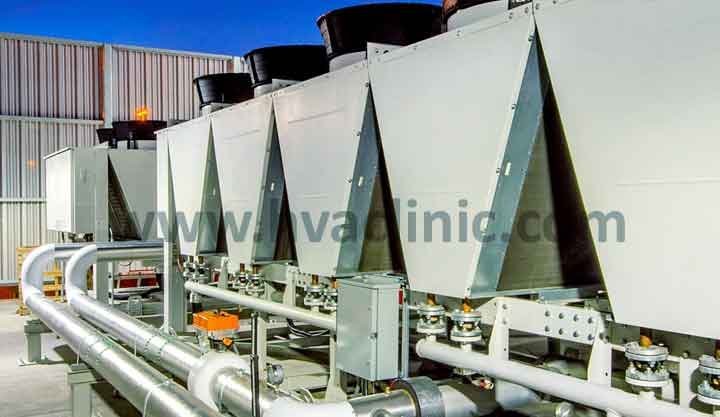
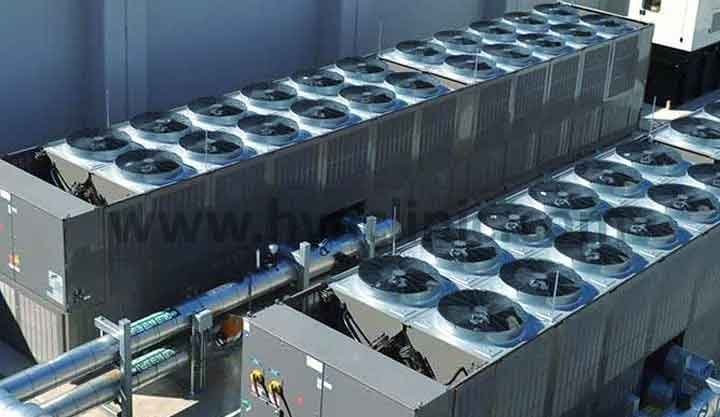
Chillers are central to many commercial and industrial cooling systems. According to the Dubai Electricity and Water Authority, chillers cool water that is then circulated to provide cooling through air-side equipment. DEWA also identifies efficient cooling as an important part of reducing electricity consumption in buildings.
Cooling expenses can come from several areas, including electricity consumption, equipment maintenance, repairs, replacement parts, water use where applicable, technical labour and unexpected downtime.
An inefficient or poorly maintained cooling system can therefore cost a business more than expected. DEWA recommends measures such as maintaining cooling equipment properly and improving temperature control to reduce unnecessary energy consumption.
This is where the right rental strategy can help.
How Rental Chillers Can Help Reduce Business Cooling Expenses
A rental chiller allows a company to obtain additional cooling capacity for the period it actually needs it. Instead of purchasing permanent equipment for a temporary requirement, the business can rent a suitable unit and return it when the project or additional cooling demand ends.
This can be particularly useful when cooling demand changes during the year.
For example, a business may need extra cooling during a peak production period but may not require the additional capacity throughout the year. Similarly, a hotel, shopping facility or commercial building may need temporary cooling while its permanent chiller plant is being repaired or upgraded.
Current UAE rental-chiller providers commonly quote equipment according to factors such as cooling capacity, rental duration, chiller type, installation requirements, location and technical support rather than using one universal rental price.
This project-based approach can make rental cooling more financially practical for businesses with temporary or fluctuating requirements.
Choose the Right Chiller Capacity
One of the most important ways to control rental costs is selecting the correct capacity.
Renting a chiller that is too small can result in inadequate cooling, longer operating periods and difficulty maintaining the required temperature. On the other hand, renting substantially more capacity than necessary can increase equipment and operating costs.
ASHRAE notes that cooling-load size is a major factor in the overall cost of a chiller system and warns that unnecessary oversizing can increase equipment costs and lead to inefficient operation.
Businesses should therefore assess their actual cooling load before selecting a rental unit. Factors can include building size, occupancy, production processes, equipment heat loads, required chilled-water temperature, operating hours and outdoor conditions.
A professional rental provider can use these details to recommend an appropriate capacity rather than simply supplying the largest available machine.
Consider Energy Efficiency, Not Just Rental Price
A low rental rate does not necessarily mean a low overall cooling cost.
The chiller consumes electricity while operating, so energy efficiency should be considered alongside the rental price. A slightly higher rental cost may be worthwhile if the equipment operates more efficiently and reduces electricity consumption over the rental period.
ASHRAE explains that chiller performance varies with factors including load, chilled-water supply temperature and condenser conditions. Its guidance also highlights the importance of optimizing chiller operation and sequencing to improve efficiency.
For businesses comparing rental chillers, it is therefore useful to ask about expected operating efficiency, part-load performance and the conditions under which the quoted performance applies.
This is especially important for UAE businesses because cooling requirements can vary significantly throughout the day.
Avoid Paying for Unnecessary Cooling Capacity
Businesses should also consider how their cooling demand changes during normal operations.
A facility may have a high peak cooling requirement but operate at a much lower load for much of the day. Running oversized equipment continuously can be an inefficient approach.
ASHRAE guidance on central chilled-water systems emphasizes optimizing the number of chillers operating according to the actual load. Appropriate sequencing can help chillers operate more efficiently rather than running unnecessary equipment at low loads.
For larger facilities, multiple rental chillers can sometimes provide greater flexibility than relying on one oversized unit. The appropriate arrangement depends on the facility’s cooling profile, available space, water flow requirements and system design.
Use Rental Chillers During Maintenance and Breakdown Periods
Unexpected chiller failure can become expensive when it interrupts business operations.
For a hotel, manufacturing facility, shopping centre or commercial building, a loss of cooling can affect employees, customers, equipment and production. Waiting for a permanent chiller repair or replacement can extend the disruption.
A temporary rental chiller can provide cooling while the permanent system is being repaired.
ASHRAE notes that multiple-chiller arrangements can provide standby capacity and allow maintenance work to take place while cooling continues through other equipment.
For businesses, this means rental cooling can serve not only as an emergency solution but also as a planned business-continuity measure.
Rental Chillers for Temporary Projects
Construction and renovation projects often have changing cooling requirements. Temporary buildings, completed areas of a development or occupied sections of a property may require cooling before the permanent HVAC system is fully operational.
Purchasing a permanent chiller for a short project may not make financial sense.
A rental chiller can instead provide cooling for the required project period. Once the construction, refurbishment or temporary operation is complete, the equipment can be removed.
This approach can help businesses avoid tying up capital in equipment that may have limited use after the project ends.
Compare the Complete Rental Package
When comparing affordable rental chiller solutions in the UAE, businesses should look beyond the basic equipment rate.
The total cost can be affected by transportation, installation, pipework, pumps, electrical connections, commissioning, monitoring, maintenance and technical support.
A cheaper quotation may become more expensive if essential services are excluded and added later.
Before signing a rental agreement, businesses should clarify what is included in the package. This can include delivery, installation, commissioning, routine technical support, emergency response and removal after the rental period.
The goal should be to compare the total project cost, not simply the advertised rental rate.
Maintenance Can Protect Cooling Efficiency
Maintenance is another important part of controlling cooling expenses.
Dirty filters, blocked airflow, poor water flow, incorrect controls and other operating problems can reduce system performance. DEWA specifically recommends regular cleaning of AC filters because clogged filters can restrict airflow and reduce efficiency.
For larger chilled-water systems, professional monitoring and maintenance are equally important. ASHRAE states that ongoing commissioning and performance monitoring can help identify equipment malfunction, maintenance problems and inappropriate operation that can negatively affect plant performance.
When renting a chiller, businesses should therefore consider whether technical support and maintenance are included.
When Is a Rental Chiller a Cost-Effective Choice?
Affordable rental chiller solutions can make particular financial sense in several situations.
A business may benefit from rental cooling when its existing chiller has failed, when additional capacity is required for a peak period, when a facility is undergoing HVAC maintenance, when a building is being renovated, or when a temporary project needs cooling for a limited period.
Rental can also be useful when a business wants to avoid purchasing additional permanent equipment for a requirement that may disappear after a few months.
The financial decision should be based on the expected rental duration, cooling requirement, energy consumption, installation cost and the cost of alternative solutions.
How to Make Your Rental Chiller More Cost-Effective
Businesses can take several practical steps to keep rental cooling expenses under control.
First, calculate the cooling requirement accurately instead of automatically selecting the largest available unit. Second, compare equipment efficiency as well as rental rates. Third, confirm all installation and transportation costs before accepting a quotation. Fourth, select a rental period that matches the actual project requirement. Finally, work with a provider capable of supplying technical support throughout the rental period.
Temperature control should also be managed carefully. DEWA recommends maintaining appropriate thermostat settings and using building measures that reduce unnecessary heat gain. While its guidance is aimed at building cooling generally, the same principle applies to commercial facilities: reducing unnecessary cooling demand can reduce the workload placed on HVAC equipment.
Affordable Rental Chiller Solutions for UAE Businesses
The most affordable rental chiller is not necessarily the machine with the lowest monthly quotation. The better choice is the system that delivers the required cooling capacity with predictable operating costs, appropriate efficiency and dependable technical support.
For businesses in the UAE, rental chillers can provide a practical alternative when cooling requirements are temporary, seasonal, unexpected or higher than the capacity of an existing system. By selecting the correct capacity, comparing total rental costs, considering energy efficiency and maintaining proper system operation, businesses can control cooling expenses without compromising required indoor or process temperatures.
Whether the requirement is for an emergency breakdown, planned maintenance, additional capacity, a construction project or a temporary commercial operation, a properly selected rental chiller can provide flexible cooling without the long-term capital commitment of purchasing permanent equipment.
Before choosing a rental solution, businesses should provide the supplier with accurate information about cooling load, operating hours, chilled-water requirements, site conditions and rental duration. This allows the provider to recommend an appropriate solution and gives the business a clearer picture of the actual cost involved.
Looking for Rental Chiller in UAE?
Engineered temporary cooling solutions across Dubai, Abu Dhabi, Sharjah, and Northern Emirates. High-efficiency air-cooled and water-cooled rental chillers from...