
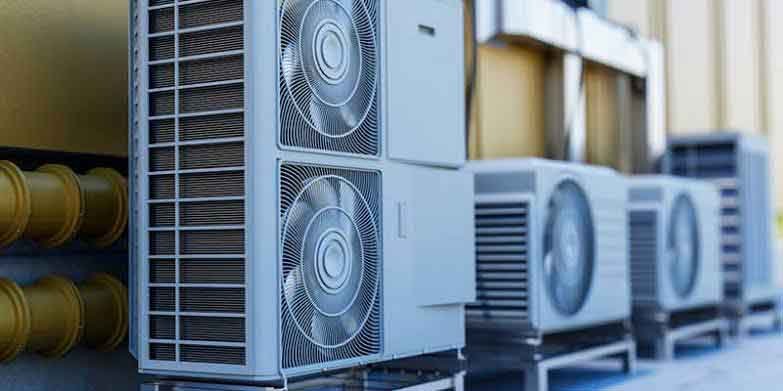

Cooling is not simply a comfort requirement for many businesses in the UAE. It can be an essential part of keeping buildings, production processes, equipment, data rooms, warehouses, hotels, and commercial facilities operating reliably. Dubai’s energy authorities note that cooling represents almost half of the emirate’s total electricity demand, highlighting how important cooling systems are to business operations.
For companies that need additional cooling for a limited period, replacing a failed chiller, supporting a temporary project, or managing an unexpected increase in demand, purchasing permanent equipment may not always be the most practical option. This is where rental chillers in the UAE can provide a flexible alternative.
A rental chiller allows a business to obtain the cooling capacity it needs without committing to the purchase and long-term ownership of another permanent chiller. Depending on the project, rental equipment can be used for emergency situations, planned maintenance, construction projects, seasonal requirements, events, and temporary increases in cooling demand.
What Is a Rental Chiller?
A rental chiller is a temporary cooling system hired by a business for a defined period. The equipment removes heat from water or another cooling medium and supplies chilled water for applications such as air conditioning or process cooling.
Rental systems can be particularly useful when a company does not want to purchase additional permanent capacity for a short-term requirement. Modern rental fleets can include modular air-cooled chillers and other temporary cooling equipment in different capacities, allowing solutions to be matched to project requirements.
The rental arrangement may also include services such as site assessment, installation, monitoring, and technical support, depending on the supplier and contract.
Why Are Businesses Choosing Rental Chillers in the UAE?
1. Lower Upfront Investment
Buying a commercial or industrial chiller involves a significant capital commitment. Businesses may also need to budget for installation, supporting equipment, commissioning, maintenance, and eventual replacement.
Rental allows a company to access cooling capacity without purchasing the complete asset. This can be particularly useful when the requirement is temporary or when management wants to avoid tying capital up in equipment that may not be required after a project ends.
Instead of treating temporary cooling as a permanent capital expenditure, businesses can structure it as a project-related operating cost.
However, renting is not automatically cheaper than buying in every situation. For a long-term, predictable cooling requirement, purchasing or installing a permanent system may be more economical. The right choice depends on the expected duration, cooling load, operating conditions, and total lifecycle cost.
2. Faster Response to Cooling Problems
A chiller failure can create operational problems for businesses that depend on continuous cooling. Depending on the application, insufficient cooling may affect occupant comfort, production processes, equipment, inventory, or other critical operations.
Rental chillers can provide temporary replacement capacity while the permanent system is being repaired or restored. UAE rental providers specifically identify failed chillers, planned shutdowns, and temporary increases in cooling demand as common reasons for renting equipment.
This makes temporary cooling particularly valuable when waiting for a permanent replacement is not practical.
3. Flexible Cooling Capacity
Business requirements do not always remain constant. A facility may need additional cooling during a particular season, during a temporary production increase, or while another cooling system is unavailable.
Rental equipment gives businesses the option of adding temporary capacity rather than permanently increasing installed capacity.
This flexibility can be valuable for:
Industrial facilities
Manufacturing plants
Hotels and hospitality properties
Commercial buildings
Construction projects
Warehouses and temperature-sensitive facilities
Events and temporary venues
Facilities undergoing HVAC upgrades
The UAE’s cooling-intensive environment makes the ability to respond to changing cooling requirements particularly important. The U.S. Department of Commerce describes the UAE as one of the world’s cooling-intensive markets, with substantial cooling demand during summer periods.
4. Useful During Planned Maintenance
Businesses sometimes need to shut down or isolate chillers for inspection, repair, refurbishment, or system upgrades.
The problem is that building or process cooling requirements may continue during this work.
A temporary rental chiller can act as a bridge during the maintenance period. Rather than shutting down an entire operation because the main cooling equipment is unavailable, a company can use temporary capacity where technically suitable.
This approach is particularly useful when maintenance has been scheduled in advance because the temporary cooling system can be planned around the expected load and project duration.
5. Helps Businesses Handle Seasonal Demand
Cooling demand can change considerably throughout the year. During hotter periods, a facility may require more cooling capacity than its existing system can comfortably provide.
Installing a permanent chiller simply to handle a short period of additional demand may not make financial sense.
A rental chiller provides another option: businesses can add capacity when required and remove it when the additional demand disappears.
This flexibility is consistent with the UAE’s broader focus on energy efficiency. The updated UAE Energy Strategy 2050 includes a target to improve individual and institutional energy consumption efficiency by 42–45% compared with 2019 levels.
6. Supports Construction and Temporary Projects
Construction sites, newly developed facilities, and temporary commercial projects can have cooling requirements before their permanent HVAC infrastructure is fully operational.
Rental chillers can provide temporary cooling during construction, commissioning, refurbishment, or phased development.
For example, a project may require temporary cooling while permanent HVAC equipment is being installed or commissioned. Once the permanent system becomes operational, the rental equipment can be removed.
This avoids purchasing equipment that may have little use after the project is completed.
7. Reduces the Burden of Equipment Ownership
Owning a chiller means taking responsibility for its maintenance, servicing, repairs, spare parts, deterioration, and eventual replacement.
A rental arrangement can shift some of that responsibility toward the rental provider, depending on the contract.
Some UAE rental suppliers provide services that extend beyond supplying equipment, including installation, site assessment, and monitoring.
Businesses should nevertheless review the rental agreement carefully to understand exactly what is included. Installation, transportation, maintenance, energy consumption, technical support, and emergency response may be treated differently by different suppliers.
8. Provides a Practical Emergency Cooling Option
Unexpected chiller failures are one of the clearest situations where temporary cooling can be useful.
A company may already have a permanent chiller system but still need backup capacity if a major component fails. Rather than waiting for a complete repair or replacement, a suitable rental unit can potentially restore temporary cooling capacity.
This is especially relevant for operations where temperature control directly affects business continuity.
Emergency rental should not be treated as a substitute for proper preventive maintenance. Instead, it can form part of a broader business continuity strategy.
9. Can Support Energy-Efficiency Objectives
Energy efficiency is increasingly important for businesses operating in the UAE. Dubai’s Demand Side Management Strategy 2050 aims to achieve at least 30% savings by 2030 and 50% by 2050 compared with business-as-usual consumption across electricity, water, and transport fuel.
Rental equipment itself does not automatically make a facility energy efficient. The actual performance depends on the chiller’s efficiency, operating conditions, cooling load, controls, maintenance, and overall system design.
However, temporary equipment can help businesses select cooling capacity according to an actual short-term requirement instead of permanently installing excess capacity that may remain underused.
Businesses should therefore consider efficiency ratings, operating temperatures, expected load, and electricity consumption when comparing rental options.
10. Makes It Easier to Scale Cooling for Different Projects
One business may require a relatively small amount of temporary cooling, while another may need substantially more capacity for an industrial application.
A rental approach can make it easier to build a temporary cooling solution around the specific project instead of committing to one permanent equipment configuration.
Some rental fleets, for example, offer modular air-cooled chillers in multiple capacities.
The important point is that capacity should be selected through a proper cooling-load assessment rather than simply choosing the largest available chiller.
When Does Renting a Chiller Make the Most Sense?
Rental chillers can be particularly appropriate when a business:
Has experienced an unexpected chiller breakdown
Needs temporary cooling during maintenance
Is carrying out HVAC upgrades or refurbishment
Has a temporary increase in cooling demand
Requires cooling for a construction project
Needs additional capacity during a peak-demand period
Is operating a temporary facility or event
Wants to test temporary capacity before making a permanent investment
For a permanent facility with a stable and predictable cooling requirement over many years, purchasing or installing a permanent chiller may still be the better long-term solution.
The decision should therefore be based on the project’s technical and financial requirements rather than assuming that renting is always the cheaper option.
What Should Businesses Check Before Renting a Chiller?
Choosing the right rental chiller involves more than comparing rental prices.
Cooling Capacity
Determine the actual cooling load first. The required capacity may be expressed in refrigeration tons (TR), kW, or another appropriate engineering unit.
Oversizing can increase costs and may result in inefficient operation, while undersizing can leave the facility without sufficient cooling.
Chiller Type
Businesses should consider whether an air-cooled, water-cooled, modular, or another configuration is appropriate for the site.
The choice depends on available space, water availability, ambient conditions, required temperatures, and the application’s technical requirements.
Rental Duration
Clarify whether the equipment is required for days, weeks, months, or a longer period. A longer rental may have different commercial terms from an emergency short-term hire.
Installation Requirements
Ask the supplier what is required for installation, including electrical connections, chilled-water connections, pumps, pipework, controls, access, and space.
Operating Conditions
UAE temperatures can be demanding for cooling equipment. The expected outdoor temperature and required chilled-water temperatures should be considered when selecting equipment.
Technical Support
Confirm whether installation, commissioning, monitoring, preventive maintenance, breakdown support, and emergency response are included.
Total Cost
Do not compare suppliers based solely on the advertised rental charge. Consider transportation, installation, electricity consumption, accessories, maintenance, technician support, and removal costs where applicable.
Rental Chillers and the UAE’s Growing Focus on Efficient Cooling
The UAE is placing increasing emphasis on energy efficiency and sustainable cooling. National and Dubai-level strategies focus on reducing energy demand and improving efficiency, while Dubai’s cooling regulator describes cooling reliability, affordability, and energy efficiency as important long-term objectives.
This does not mean every business should replace permanent cooling systems with rental equipment. Instead, businesses can consider temporary rental as one part of a wider cooling strategy.
For example, a facility might maintain its permanent cooling infrastructure while using rental chillers during planned maintenance, unexpected failures, seasonal peaks, or temporary capacity shortages.
Final Thoughts
The main business benefit of rental chillers in the UAE is flexibility. Companies can obtain additional or replacement cooling capacity without necessarily making a permanent investment in new equipment.
For emergency situations, maintenance shutdowns, construction projects, seasonal demand, events, and temporary capacity requirements, renting can provide a practical way to maintain cooling operations.
However, the right rental solution depends on the actual cooling load, site conditions, equipment efficiency, rental period, installation requirements, and technical support. Businesses should assess these factors before selecting a supplier.
With cooling playing such an important role in UAE buildings and industrial operations, having access to a reliable temporary cooling option can help businesses respond more effectively when their normal cooling capacity is unavailable or insufficient.