
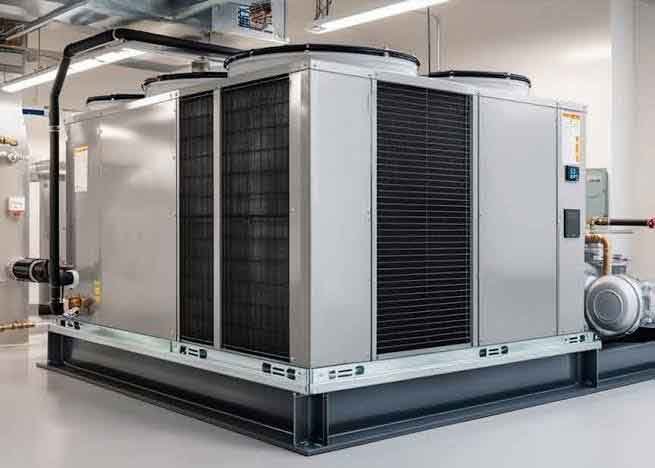

Replacing an HVAC system is a major project for any commercial or industrial facility. In Dubai, however, the challenge can become even more significant because many buildings depend on continuous cooling to maintain comfortable and usable indoor conditions.
A hotel cannot simply leave guest rooms without adequate cooling while its central HVAC equipment is being replaced. A shopping mall may need to continue serving tenants and visitors. Offices, hospitals, manufacturing facilities, warehouses and other temperature-sensitive environments may also need a practical way to maintain operations during a planned HVAC shutdown.
This is where chiller rental for HVAC replacement projects in Dubai can become an important part of the project plan.
A temporary chiller rental can provide cooling capacity while an existing chiller, cooling plant or other HVAC equipment is removed, replaced, upgraded or integrated into a new system. Rather than treating temporary cooling as an afterthought once the permanent system has been shut down, facility managers and project teams can plan a temporary cooling arrangement before the replacement work begins.
The purpose is not simply to place a rental chiller outside a building. A successful temporary cooling solution may require an assessment of the cooling load, chilled-water requirements, available power, connection points, access routes, pumps, hoses, air-handling equipment and the schedule for switching from the temporary system back to the new permanent HVAC installation.
Why HVAC Replacement Projects in Dubai Need Temporary Chiller Rental
An HVAC replacement project usually involves a period during which the existing cooling system cannot provide its normal capacity.
The length of this interruption can vary. Some projects may involve replacing a single piece of equipment, while others may require a larger plant upgrade, phased replacement or a complete modernization of an aging HVAC system.
During this period, the building may still be occupied and operational.
That creates a basic problem: how can cooling continue while the permanent cooling equipment is offline?
A temporary chiller rental can provide an interim cooling source that supports the building during the replacement period. Temporary cooling solutions are commonly used for planned maintenance, equipment upgrades, scheduled shutdowns and emergency situations.
For HVAC replacement projects, the arrangement is normally planned rather than reactive. This gives the project team time to review the building’s cooling demand and determine how the temporary system can connect to the existing chilled-water or air-distribution infrastructure.
The temporary equipment can then support the facility while the permanent HVAC equipment is removed and replaced.
The Challenge of HVAC Downtime During Equipment Replacement
Replacing HVAC equipment often requires a controlled shutdown.
Depending on the project, this may involve:
- Removing an existing chiller
- Replacing aging cooling equipment
- Upgrading a central cooling plant
- Replacing pumps or associated chilled-water equipment
- Modifying pipework
- Installing new controls
- Upgrading air-handling equipment
- Completing an HVAC retrofit
- Carrying out commissioning and testing before the new system becomes operational
During these activities, the normal cooling system may not be available.
For a building in a hot climate, even a planned shutdown can create operational difficulties. Indoor temperatures can rise, occupants may become uncomfortable, and certain operations may need to be adjusted if adequate cooling cannot be maintained.
The impact can be different from one facility to another.
A retail facility may be concerned about visitor comfort and tenant operations. A hotel may need to maintain suitable indoor conditions for guests. A manufacturing operation may have process-related cooling requirements. Healthcare and other critical facilities may have additional environmental and operational considerations.
For this reason, temporary cooling should be considered as part of the HVAC replacement strategy rather than only after the existing system has been switched off.
How a Temporary Chiller Supports an HVAC Replacement Project
A temporary chiller can act as an interim cooling source during the period when the permanent HVAC system is unavailable.
The exact arrangement depends on the building and the existing system.
In a chilled-water HVAC system, a rental chiller may be connected through a planned temporary arrangement that supplies chilled water to suitable parts of the existing distribution system. Pumps, hoses, headers, valves and other accessories may be required depending on the site configuration.
The temporary cooling package can also involve equipment beyond the chiller itself.
Depending on project requirements, the setup may include:
- Rental chillers
- Chilled-water pumps
- Air-handling units
- Fan coils
- Flexible hoses
- Headers and manifolds
- Water connections
- Buffer tanks
- Electrical distribution equipment
- Control and monitoring systems
The final equipment configuration should be based on an engineering review of the temporary cooling requirement.
A larger chiller does not automatically mean a better solution. The temporary system needs to be matched to the required cooling capacity and to the physical and operational conditions of the site.
Temporary Chiller Rental During Planned HVAC Shutdowns
A planned shutdown is one of the most suitable situations for arranging temporary cooling in advance.
Unlike an unexpected breakdown, a planned HVAC replacement project gives the facility team an opportunity to coordinate several important activities before work begins.
These can include reviewing:
- The expected cooling demand during the shutdown
- The areas that must remain operational
- The duration of the replacement work
- Available locations for temporary equipment
- Electrical power requirements
- Chilled-water connection points
- Pipe and hose routes
- Access for delivery and installation
- Noise and space considerations
- The final transition back to the permanent HVAC system
Planning these elements in advance can reduce the risk of discovering site limitations after the permanent system has already been shut down.
For example, a project team may identify that only part of the building needs full cooling capacity during the replacement period. In another facility, critical zones may require priority while less frequently occupied areas can operate with reduced cooling.
This can influence the temporary cooling strategy and the equipment selected.
HVAC Replacement in Dubai During High Cooling Demand
The timing of an HVAC replacement project can have a major effect on temporary cooling requirements.
During periods of high outdoor temperatures, the difference between having a functioning cooling system and experiencing a prolonged HVAC shutdown can be significant.
A replacement project may therefore require a carefully planned temporary cooling solution, particularly when the facility must continue normal operations.
Instead of assuming that the building’s historical cooling capacity should automatically be duplicated, the temporary cooling requirement should be assessed according to actual project conditions.
Important considerations can include.
A site assessment can help determine the practical cooling requirement during the project.
How to Choose the Right Rental Chiller for an HVAC Replacement Project
Selecting a rental chiller begins with understanding the actual requirement.
The equipment should not be selected based only on the size of the old chiller or the total capacity shown on the building’s original equipment.
The existing system may have been oversized, the building’s occupancy may have changed, or only part of the facility may require temporary cooling during the replacement.
A proper assessment may consider several factors.
Cooling Load
The first question is how much cooling is required during the replacement period.
The temporary cooling load may depend on the areas that remain operational, internal heat gains, occupancy and environmental conditions.
This helps determine the approximate capacity required from the temporary system.
Chilled-Water Temperatures
The required supply and return water temperatures can influence equipment selection and the ability of the temporary system to work with the existing HVAC infrastructure.
The temporary arrangement should be compatible with the operational requirements of the connected equipment.
Water Flow
Cooling capacity is only one part of the system design.
The temporary setup must also provide appropriate water circulation for the connected HVAC equipment. Pumps and other accessories may therefore be required as part of the rental package.
Available Power
A rental chiller and associated equipment require an appropriate power supply.
The site should be assessed to determine available electrical capacity and the requirements of the temporary equipment.
Where site power is limited, temporary power planning may also become part of the overall project.
Physical Access
The temporary chiller must be delivered to and positioned at a suitable location.
The project team may need to consider.
Connection Routes
The distance between the temporary equipment and the building’s connection point can affect the design of the temporary cooling arrangement.
Longer routes may require additional planning for hoses, pipework, pressure and water circulation.
Air-Cooled vs Water-Cooled Chillers for Temporary HVAC Replacement
The type of rental chiller selected depends on the project and available site infrastructure.
Air-Cooled Chiller Rental
Air-cooled chillers reject heat to the surrounding air and can be suitable for many temporary cooling applications.
They are often used where a self-contained temporary cooling solution is required and where the project does not rely on a temporary cooling tower arrangement.
For temporary installations, the site still needs adequate space, airflow and suitable access for the equipment.
Water-Cooled Chiller Rental
Water-cooled chillers can also be used for temporary cooling, but the project requirements may involve additional components and infrastructure depending on the arrangement.
The choice between air-cooled and water-cooled equipment should therefore be based on the available infrastructure, cooling requirement, site conditions and project objectives.
There is no single chiller type that is automatically correct for every HVAC replacement project.
Why a Complete Temporary Cooling Package Matters
A common mistake is to think of a rental chiller as a standalone machine.
In reality, the chiller is only one part of a temporary cooling system.
For a building to receive useful cooling, the complete arrangement may need to include the equipment and services required to produce, circulate and distribute cooling.
Depending on the project, this can involve.
The exact scope will vary.
For this reason, the temporary cooling requirement should be viewed as a system rather than simply as a request to rent a specific chiller size.
How Temporary Cooling Helps Maintain Business Continuity
One of the main reasons facilities use temporary cooling during HVAC replacement is to reduce unnecessary operational disruption.
The goal is not necessarily to reproduce every part of the original cooling plant exactly. Instead, the temporary system can be designed around the conditions that must be maintained while replacement work is completed.
This can help facilities continue operating during.
Business continuity is especially important when shutting down the entire facility is impractical.
A temporary cooling strategy can allow the project team to separate two activities that would otherwise happen simultaneously: replacing the permanent HVAC equipment and maintaining the facility’s required cooling conditions.
Temporary Cooling for Hotels During HVAC Replacement
Hotels face a particular challenge during HVAC replacement because guest comfort and building operations may need to continue throughout the project.
Completely shutting down cooling in an occupied hotel may require major operational disruption.
A temporary cooling arrangement can potentially support selected areas while permanent equipment is replaced.
The project may be phased according to.
The temporary cooling requirement should be based on the actual operational plan rather than applying a single capacity assumption to the entire property.
Temporary Chillers for Shopping Malls and Commercial Buildings
Shopping malls and large commercial properties may also need cooling continuity during HVAC replacement.
A full shutdown could affect tenants, visitors and building operations.
In some projects, a phased replacement strategy may allow one section of the system to be upgraded while temporary equipment supports another part of the building.
Important planning considerations can include.
The larger and more complex the building, the more important coordination can become between the facility team, HVAC contractor and temporary cooling provider.
Temporary Cooling for Industrial and Manufacturing Facilities
Industrial facilities may have requirements that go beyond occupant comfort.
Some operations depend on controlled temperatures for equipment, production processes or storage conditions.
A planned HVAC or chiller replacement could therefore affect production if adequate cooling is not available.
Temporary chiller rental can be considered during.
The required temperatures, load profile and operating schedule should be clearly identified before selecting the temporary equipment.
How Long Can a Temporary Chiller Be Rented?
The rental period should be based on the replacement schedule.
Some projects may require temporary cooling for a relatively short period, while major HVAC upgrades can take considerably longer.
Potential factors affecting the rental duration include:
- Removal of existing equipment
- Delivery of new HVAC equipment
- Installation time
- Mechanical modifications
- Electrical work
- Controls integration
- Testing
- Commissioning
- Unexpected project delays
The temporary cooling plan should include a realistic timeline and, where appropriate, contingency for changes to the replacement schedule.
The rental arrangement should also consider the transition period when the new permanent system is being tested but temporary cooling may still be needed as a backup.
Planning the Changeover From Temporary to Permanent Cooling
The final stage of the project is often as important as the initial installation of the temporary system.
The temporary cooling arrangement should not necessarily be removed immediately when the new HVAC equipment is physically installed.
A planned transition can help reduce the risk of removing temporary cooling before the new system is ready to assume the required load.
The project team should establish a clear changeover sequence that defines when temporary equipment can safely be disconnected and demobilized.
Common Mistakes to Avoid During Temporary Cooling Planning
Choosing Equipment by Capacity Alone
Cooling capacity is important, but it is not the only requirement.
Water flow, temperatures, power, connection points and site conditions also need to be considered.
Waiting Until the HVAC System Is Already Offline
Temporary cooling should ideally be planned before the shutdown begins.
Early planning gives the team more time to review access, equipment placement and system connections.
Ignoring Site Access
A suitable rental chiller is not useful if the delivery route or installation location creates practical problems.
Access should be checked before mobilization.
Forgetting About Pumps and Accessories
A temporary cooling system may require supporting equipment beyond the chiller.
The complete package should be reviewed as part of the project plan.
Not Planning the Final Changeover
The new HVAC system should be properly tested and commissioned before temporary cooling is removed.
A structured transition can reduce unnecessary risk during the final stage of the project.
Replacing an HVAC system is a major project for any commercial or industrial facility. In Dubai, however, the challenge can become even more significant because many buildings depend on continuous cooling to maintain comfortable and usable indoor conditions.
A hotel cannot simply leave guest rooms without adequate cooling while its central HVAC equipment is being replaced. A shopping mall may need to continue serving tenants and visitors. Offices, hospitals, manufacturing facilities, warehouses and other temperature-sensitive environments may also need a practical way to maintain operations during a planned HVAC shutdown.
This is where chiller rental for HVAC replacement projects in Dubai can become an important part of the project plan.
A temporary chiller rental can provide cooling capacity while an existing chiller, cooling plant or other HVAC equipment is removed, replaced, upgraded or integrated into a new system. Rather than treating temporary cooling as an afterthought once the permanent system has been shut down, facility managers and project teams can plan a temporary cooling arrangement before the replacement work begins.
The purpose is not simply to place a rental chiller outside a building. A successful temporary cooling solution may require an assessment of the cooling load, chilled-water requirements, available power, connection points, access routes, pumps, hoses, air-handling equipment and the schedule for switching from the temporary system back to the new permanent HVAC installation.
Why HVAC Replacement Projects in Dubai Need Temporary Chiller Rental
An HVAC replacement project usually involves a period during which the existing cooling system cannot provide its normal capacity.
The length of this interruption can vary. Some projects may involve replacing a single piece of equipment, while others may require a larger plant upgrade, phased replacement or a complete modernization of an aging HVAC system.
During this period, the building may still be occupied and operational.
That creates a basic problem: how can cooling continue while the permanent cooling equipment is offline?
A temporary chiller rental can provide an interim cooling source that supports the building during the replacement period. Temporary cooling solutions are commonly used for planned maintenance, equipment upgrades, scheduled shutdowns and emergency situations.
For HVAC replacement projects, the arrangement is normally planned rather than reactive. This gives the project team time to review the building’s cooling demand and determine how the temporary system can connect to the existing chilled-water or air-distribution infrastructure.
The temporary equipment can then support the facility while the permanent HVAC equipment is removed and replaced.
The Challenge of HVAC Downtime During Equipment Replacement
Replacing HVAC equipment often requires a controlled shutdown.
Depending on the project, this may involve.
During these activities, the normal cooling system may not be available.
For a building in a hot climate, even a planned shutdown can create operational difficulties. Indoor temperatures can rise, occupants may become uncomfortable, and certain operations may need to be adjusted if adequate cooling cannot be maintained.
The impact can be different from one facility to another.
A retail facility may be concerned about visitor comfort and tenant operations. A hotel may need to maintain suitable indoor conditions for guests. A manufacturing operation may have process-related cooling requirements. Healthcare and other critical facilities may have additional environmental and operational considerations.
For this reason, temporary cooling should be considered as part of the HVAC replacement strategy rather than only after the existing system has been switched off.
How a Temporary Chiller Supports an HVAC Replacement Project
A temporary chiller can act as an interim cooling source during the period when the permanent HVAC system is unavailable.
The exact arrangement depends on the building and the existing system.
In a chilled-water HVAC system, a rental chiller may be connected through a planned temporary arrangement that supplies chilled water to suitable parts of the existing distribution system. Pumps, hoses, headers, valves and other accessories may be required depending on the site configuration.
The temporary cooling package can also involve equipment beyond the chiller itself.
Depending on project requirements, the setup may include:
- Rental chillers
- Chilled-water pumps
- Air-handling units
- Fan coils
- Flexible hoses
- Headers and manifolds
- Water connections
- Buffer tanks
- Electrical distribution equipment
- Control and monitoring systems
The final equipment configuration should be based on an engineering review of the temporary cooling requirement.
A larger chiller does not automatically mean a better solution. The temporary system needs to be matched to the required cooling capacity and to the physical and operational conditions of the site.
Temporary Chiller Rental During Planned HVAC Shutdowns
A planned shutdown is one of the most suitable situations for arranging temporary cooling in advance.
Unlike an unexpected breakdown, a planned HVAC replacement project gives the facility team an opportunity to coordinate several important activities before work begins.
These can include reviewing Planning these elements in advance can reduce the risk of discovering site limitations after the permanent system has already been shut down.
For example, a project team may identify that only part of the building needs full cooling capacity during the replacement period. In another facility, critical zones may require priority while less frequently occupied areas can operate with reduced cooling.
This can influence the temporary cooling strategy and the equipment selected.
HVAC Replacement in Dubai During High Cooling Demand
The timing of an HVAC replacement project can have a major effect on temporary cooling requirements.
During periods of high outdoor temperatures, the difference between having a functioning cooling system and experiencing a prolonged HVAC shutdown can be significant.
A replacement project may therefore require a carefully planned temporary cooling solution, particularly when the facility must continue normal operations.
Instead of assuming that the building’s historical cooling capacity should automatically be duplicated, the temporary cooling requirement should be assessed according to actual project conditions.
Important considerations can include:
- Current building occupancy
- Areas remaining open during the project
- Outdoor conditions
- Internal heat loads
- Operating hours
- Equipment and machinery producing heat
- Required indoor temperature conditions
- The duration of the temporary arrangement
- Whether the replacement is being completed in phases
A site assessment can help determine the practical cooling requirement during the project.
How to Choose the Right Rental Chiller for an HVAC Replacement Project
Selecting a rental chiller begins with understanding the actual requirement.
The equipment should not be selected based only on the size of the old chiller or the total capacity shown on the building’s original equipment.
The existing system may have been oversized, the building’s occupancy may have changed, or only part of the facility may require temporary cooling during the replacement.
A proper assessment may consider several factors.
Cooling Load
The first question is how much cooling is required during the replacement period.
The temporary cooling load may depend on the areas that remain operational, internal heat gains, occupancy and environmental conditions.
This helps determine the approximate capacity required from the temporary system.
Chilled-Water Temperatures
The required supply and return water temperatures can influence equipment selection and the ability of the temporary system to work with the existing HVAC infrastructure.
The temporary arrangement should be compatible with the operational requirements of the connected equipment.
Water Flow
Cooling capacity is only one part of the system design.
The temporary setup must also provide appropriate water circulation for the connected HVAC equipment. Pumps and other accessories may therefore be required as part of the rental package.
Available Power
A rental chiller and associated equipment require an appropriate power supply.
The site should be assessed to determine available electrical capacity and the requirements of the temporary equipment.
Where site power is limited, temporary power planning may also become part of the overall project.
Physical Access
The temporary chiller must be delivered to and positioned at a suitable location.
The project team may need to consider:
- Vehicle access
- Equipment dimensions
- Crane or lifting requirements where applicable
- Ground loading
- Equipment clearance
- Hose and pipe routes
- Access for service and maintenance
Connection Routes
The distance between the temporary equipment and the building’s connection point can affect the design of the temporary cooling arrangement.
Longer routes may require additional planning for hoses, pipework, pressure and water circulation.
Air-Cooled vs Water-Cooled Chillers for Temporary HVAC Replacement
The type of rental chiller selected depends on the project and available site infrastructure.
Air-Cooled Chiller Rental
Air-cooled chillers reject heat to the surrounding air and can be suitable for many temporary cooling applications.
They are often used where a self-contained temporary cooling solution is required and where the project does not rely on a temporary cooling tower arrangement.
For temporary installations, the site still needs adequate space, airflow and suitable access for the equipment.
Water-Cooled Chiller Rental
Water-cooled chillers can also be used for temporary cooling, but the project requirements may involve additional components and infrastructure depending on the arrangement.
The choice between air-cooled and water-cooled equipment should therefore be based on the available infrastructure, cooling requirement, site conditions and project objectives.
There is no single chiller type that is automatically correct for every HVAC replacement project.
Why a Complete Temporary Cooling Package Matters
A common mistake is to think of a rental chiller as a standalone machine.
In reality, the chiller is only one part of a temporary cooling system.
For a building to receive useful cooling, the complete arrangement may need to include the equipment and services required to produce, circulate and distribute cooling.
The exact scope will vary.
For this reason, the temporary cooling requirement should be viewed as a system rather than simply as a request to rent a specific chiller size.
How Temporary Cooling Helps Maintain Business Continuity
One of the main reasons facilities use temporary cooling during HVAC replacement is to reduce unnecessary operational disruption.
The goal is not necessarily to reproduce every part of the original cooling plant exactly. Instead, the temporary system can be designed around the conditions that must be maintained while replacement work is completed.
Business continuity is especially important when shutting down the entire facility is impractical.
A temporary cooling strategy can allow the project team to separate two activities that would otherwise happen simultaneously: replacing the permanent HVAC equipment and maintaining the facility’s required cooling conditions.
Temporary Cooling for Hotels During HVAC Replacement
Hotels face a particular challenge during HVAC replacement because guest comfort and building operations may need to continue throughout the project.
Completely shutting down cooling in an occupied hotel may require major operational disruption.
A temporary cooling arrangement can potentially support selected areas while permanent equipment is replaced.
The temporary cooling requirement should be based on the actual operational plan rather than applying a single capacity assumption to the entire property.
Temporary Chillers for Shopping Malls and Commercial Buildings
Shopping malls and large commercial properties may also need cooling continuity during HVAC replacement.
A full shutdown could affect tenants, visitors and building operations.
In some projects, a phased replacement strategy may allow one section of the system to be upgraded while temporary equipment supports another part of the building.
Important planning considerations can include:
- Tenant operating hours
- High-occupancy periods
- Access restrictions
- Equipment placement
- Temporary pipe routing
- Noise management
- Coordination with existing building systems
The larger and more complex the building, the more important coordination can become between the facility team, HVAC contractor and temporary cooling provider.
Temporary Cooling for Industrial and Manufacturing Facilities
Industrial facilities may have requirements that go beyond occupant comfort.
Some operations depend on controlled temperatures for equipment, production processes or storage conditions.
A planned HVAC or chiller replacement could therefore affect production if adequate cooling is not available.
The required temperatures, load profile and operating schedule should be clearly identified before selecting the temporary equipment.
How Long Can a Temporary Chiller Be Rented?
The rental period should be based on the replacement schedule.
Some projects may require temporary cooling for a relatively short period, while major HVAC upgrades can take considerably longer.
Potential factors affecting the rental duration include:
- Removal of existing equipment
- Delivery of new HVAC equipment
- Installation time
- Mechanical modifications
- Electrical work
- Controls integration
- Testing
- Commissioning
- Unexpected project delays
The temporary cooling plan should include a realistic timeline and, where appropriate, contingency for changes to the replacement schedule.
The rental arrangement should also consider the transition period when the new permanent system is being tested but temporary cooling may still be needed as a backup.
Planning the Changeover From Temporary to Permanent Cooling
The final stage of the project is often as important as the initial installation of the temporary system.
The temporary cooling arrangement should not necessarily be removed immediately when the new HVAC equipment is physically installed.
The permanent system may still require:
- Testing
- Balancing
- Controls verification
- Commissioning
- Performance checks
- Final handover procedures
A planned transition can help reduce the risk of removing temporary cooling before the new system is ready to assume the required load.
The project team should establish a clear changeover sequence that defines when temporary equipment can safely be disconnected and demobilized.
Common Mistakes to Avoid During Temporary Cooling Planning
Choosing Equipment by Capacity Alone
Cooling capacity is important, but it is not the only requirement.
Water flow, temperatures, power, connection points and site conditions also need to be considered.
Waiting Until the HVAC System Is Already Offline
Temporary cooling should ideally be planned before the shutdown begins.
Early planning gives the team more time to review access, equipment placement and system connections.
Ignoring Site Access
A suitable rental chiller is not useful if the delivery route or installation location creates practical problems.
Access should be checked before mobilization.
Forgetting About Pumps and Accessories
A temporary cooling system may require supporting equipment beyond the chiller.
The complete package should be reviewed as part of the project plan.
Not Planning the Final Changeover
The new HVAC system should be properly tested and commissioned before temporary cooling is removed.
A structured transition can reduce unnecessary risk during the final stage of the project.
A Practical Planning Checklist for HVAC Replacement Projects
Before arranging temporary chiller rental in Dubai, the project team should gather key information about the site and replacement work.
Answering these questions early can make the temporary cooling plan more practical and easier to coordinate with the wider HVAC replacement schedule.
Chiller Rental for HVAC Replacement Projects in Dubai: The Bottom Line
Replacing an HVAC system does not always mean that a building must operate without cooling.
For facilities that need to remain functional during a planned shutdown, chiller rental for HVAC replacement projects in Dubai can provide a temporary source of cooling while permanent equipment is removed, upgraded and commissioned.
The most important step is to treat temporary cooling as part of the replacement project from the beginning.
A successful solution depends on more than selecting a chiller with a particular capacity. The project may require an assessment of the cooling load, water temperatures, flow requirements, power availability, access, connection routes and the equipment needed to distribute cooling through the facility.
It is also important to plan the entire process, from the initial site assessment and installation of temporary equipment through to commissioning of the new HVAC system and final decommissioning of the rental setup.
Whether the project involves a hotel, shopping mall, commercial tower, industrial facility, warehouse or another large property, a properly planned temporary chiller rental can help reduce disruption during a planned HVAC replacement and provide cooling
Frequently Asked Questions
1. Why is temporary chiller rental needed during HVAC replacement in Dubai?
Temporary chiller rental can help maintain cooling while the existing HVAC or chiller system is shut down for replacement. It can support building operations during equipment removal, installation, testing, and commissioning of the new system.
2. Can a building remain operational during HVAC replacement?
In many cases, yes. A properly planned temporary cooling system can help maintain required cooling in operational areas while permanent HVAC equipment is being replaced. The exact approach depends on the building, cooling load, system configuration, and project schedule.
3. What types of buildings can use temporary chillers during HVAC replacement?
Temporary chillers can be considered for many types of facilities, including hotels, shopping malls, offices, commercial buildings, industrial facilities, warehouses, healthcare facilities, and other properties where cooling continuity is important.
4. How do rental chillers connect to an existing HVAC system?
The connection method depends on the existing chilled-water system and site configuration. A temporary installation may use pumps, flexible hoses, temporary pipework, headers, valves, and other accessories to connect the rental equipment to suitable points within the building’s cooling system.
5. How do I choose the right rental chiller capacity?
The required capacity should be determined from the temporary cooling load rather than simply copying the capacity of the existing chiller. Factors can include building occupancy, areas that need cooling, internal heat loads, operating hours, required temperatures, and the expected conditions during the replacement period.
6. Are air-cooled chillers suitable for HVAC replacement projects?
Air-cooled chillers can be suitable for many temporary cooling applications. Their suitability depends on the required cooling capacity, available space, ambient conditions, electrical supply, and how the temporary equipment will connect to the building’s HVAC system.
7. Can water-cooled chillers be used for temporary HVAC replacement?
Yes, water-cooled chillers can be considered where the project has suitable water-side infrastructure and the required supporting equipment. The site conditions and temporary system design should be assessed before selecting this type of chiller.
8. How long can I rent a chiller for an HVAC replacement project?
The rental period depends on the project schedule. Temporary cooling may be required from the beginning of equipment removal until the new HVAC system has been installed, tested, commissioned, and is ready to handle the required cooling load.
9. Do I need pumps with a rental chiller?
A pump may be required depending on the temporary system design and the existing chilled-water arrangement. The required flow rate, pressure, connection points, and building configuration should be assessed to determine the appropriate pumping arrangement.
10. Can temporary chillers be used during summer in Dubai?
Temporary chillers can be used during periods of high cooling demand, including summer projects, provided the equipment is appropriately selected for the required operating conditions. Because cooling demand can be significant during hot weather, proper load assessment and planning are particularly important.
11. Should temporary cooling be arranged before the HVAC shutdown?
Yes. Planning temporary cooling before the shutdown gives the project team time to assess the cooling requirement, equipment location, access, power supply, connection points, hoses or temporary pipework, and installation schedule.
12. When should the temporary chiller be removed?
The rental chiller should normally remain available until the permanent HVAC system has been installed and adequately tested and commissioned. Removing temporary equipment too early could leave the building without the required cooling if additional commissioning or corrective work is needed.
Conclusion
HVAC replacement projects in Dubai can be complex, particularly when a building needs to remain operational throughout the work. Shutting down the existing cooling system may be necessary during equipment removal and installation, but that does not always mean the facility has to operate without cooling.
Chiller rental for HVAC replacement projects in Dubai provides a temporary cooling option that can support facilities while permanent HVAC equipment is being replaced, upgraded, tested, and commissioned.
The key is proper planning. Cooling requirements, chiller capacity, chilled-water temperatures, flow rates, electrical power, equipment access, connection routes, rental duration, and the final changeover should all be considered before the existing system is taken offline.
For commercial buildings, hotels, shopping malls, industrial facilities, offices, and other properties, a well-planned temporary cooling arrangement can help maintain suitable operating conditions and reduce unnecessary disruption during an HVAC replacement project.
If your building is preparing for an HVAC replacement or planned chiller shutdown, assessing the temporary cooling requirement early can make the overall replacement process easier to coordinate.