
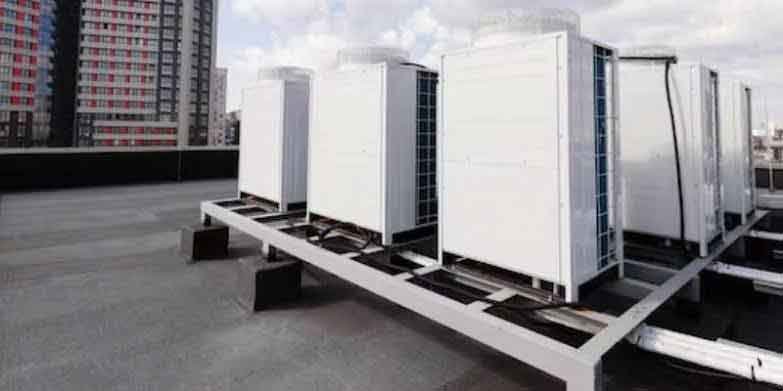

Cooling is an important part of many commercial and industrial projects. Offices, shopping facilities, hotels, manufacturing plants, warehouses, data centres, and construction sites may require reliable chilled water for comfort cooling, equipment protection, or industrial processes. When the existing cooling system is unavailable, under maintenance, or unable to meet a temporary increase in demand, a rental chiller can provide additional cooling capacity without requiring a permanent system installation. Industry providers such as Trane and Aggreko offer temporary chiller solutions for commercial, industrial, emergency, and process-cooling applications.
Why Businesses Use Rental Chillers
One of the main advantages of chiller rental is flexibility. A business may not need additional cooling capacity throughout the year, but a project can create a temporary requirement. This can happen during planned HVAC upgrades, equipment breakdowns, building expansions, seasonal demand, or commissioning activities.
Instead of purchasing a permanent chiller for a short-term requirement, businesses can rent equipment for the period they actually need it. Rental systems can also provide supplemental cooling when the existing plant cannot handle the required load. Trane specifically identifies temporary replacement, additional cooling, facility upgrades, emergencies, and special projects as common rental applications.
Supporting Commercial Projects
Commercial buildings often depend on chilled water systems for air conditioning. During an HVAC replacement or major maintenance project, the permanent cooling system may have to be taken offline. A temporary chiller can help maintain cooling while the work is completed.
Rental chillers can also support commercial developments during phased construction and commissioning. This gives project teams additional flexibility when permanent cooling infrastructure is not yet fully operational. Depending on the building and cooling requirement, air-cooled or water-cooled rental chillers may be considered.
For facilities such as hotels, offices, retail spaces, hospitals, and other occupied buildings, maintaining suitable indoor temperatures can be particularly important. Temporary cooling can help reduce disruption while permanent HVAC equipment is repaired, upgraded, or expanded.
Supporting Industrial Operations
Industrial facilities can have cooling requirements that go beyond ordinary comfort air conditioning. Manufacturing processes, production equipment, laboratories, data centres, and other temperature-sensitive operations may require controlled cooling.
Rental chillers can be used for process cooling as well as general temperature control. Aggreko, for example, describes its rental chillers as suitable for manufacturing, data centres, events, and industrial applications, with options including air-cooled, water-cooled, and low-temperature chillers.
For industrial projects, the correct chiller should therefore be selected according to the actual process requirements rather than simply the size of the building.
A Practical Solution During Maintenance and Emergencies
Unexpected cooling problems can create serious operational challenges. If a primary chiller fails, waiting for a replacement unit or major repair can leave a facility without sufficient cooling. A rental chiller can act as temporary backup while permanent equipment is repaired or replaced.
Rental equipment is also useful during planned maintenance. Businesses can arrange temporary cooling before taking an existing chiller offline, helping maintenance teams complete their work without unnecessarily interrupting the facility’s cooling requirements. Trane describes rental chillers as solutions for emergency cooling, planned upgrades, temporary replacement, and supplemental cooling.
Choosing the Right Rental Chiller
Selecting a rental chiller should start with the cooling load. Factors such as the size of the space, equipment generating heat, occupancy, insulation, required water temperature, operating conditions, and the type of application can affect the required capacity. Trane recommends beginning with the total heat load when determining chiller capacity.
The choice between an air-cooled and water-cooled chiller also depends on the project. Air-cooled equipment can offer simpler installation because it rejects heat directly to the surrounding air. Water-cooled systems can be suitable for larger or more demanding applications but may require additional equipment such as cooling towers and associated water systems.
Project teams should also consider available electrical power, site access, installation space, chilled-water connections, operating temperatures, noise requirements, and the expected rental period before selecting equipment.
Rental Chillers for Data Centres and Critical Facilities
Data centres are another example where temporary cooling can have an important role. Cooling may be required during construction, commissioning, maintenance, phased expansion, or unexpected capacity requirements. Trane’s current data-centre rental solutions include air-cooled and water-cooled chillers for temporary cooling, commissioning, contingency planning, and operational continuity.
This type of application demonstrates why rental cooling is not limited to emergency situations. Temporary chillers can also be part of a planned project strategy where cooling requirements change during different stages of development.
What to Check Before Renting
Before hiring a rental chiller, businesses should provide the supplier with accurate information about the application and site. This should include the required cooling capacity, chilled-water supply and return temperatures, operating schedule, electrical supply, installation location, access for delivery, and expected rental duration.
A professional rental supplier can then assess the application and recommend suitable equipment and supporting components. Depending on the project, the complete temporary cooling setup may include pumps, hoses, heat exchangers, cooling towers, air-handling units, controls, and other accessories. Trane’s rental equipment range, for example, includes chillers alongside cooling towers, heat exchangers, air-handling units, pumps, hoses, and related accessories.
Conclusion
Rental chillers provide a flexible way for commercial and industrial projects to manage temporary, additional, or emergency cooling requirements. They can support HVAC upgrades, planned maintenance, construction and commissioning, industrial processes, equipment failures, and changing cooling demands.
For projects in the UAE, selecting the right rental chiller should be based on the actual cooling load, application, site conditions, operating requirements, and rental duration. Working with an experienced rental provider can help ensure that the equipment and supporting systems are matched to the project’s technical requirements rather than relying on capacity alone.
For businesses looking for Rental Chiller in UAE, a properly planned temporary cooling system can provide the additional capacity needed while permanent HVAC infrastructure is being installed, upgraded, repaired, or expanded.