

Dubai is known for its world-class shopping destinations, large retail spaces, restaurants, entertainment venues and indoor attractions. However, maintaining a comfortable indoor environment inside a busy shopping mall can become particularly challenging during the peak summer months.
Dubai experiences an extremely hot climate, and the Dubai Government Media Office reports that average summer highs can reach around 41.8°C. When outdoor temperatures rise, commercial buildings must work harder to remove heat and maintain comfortable indoor conditions.
For shopping malls, the challenge is not only the outdoor temperature. HVAC of High visitor numbers, lighting, food courts, restaurants, entertainment facilities, retail equipment and other internal heat sources can all contribute to the cooling load.
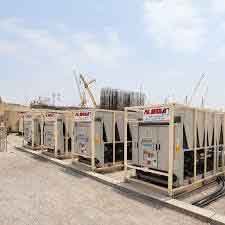
This is one reason Rental Chillers for Shopping Malls in Dubai can be an important temporary cooling option during peak summer. A rental chiller may provide additional cooling capacity when the existing system is under pressure, or temporary support when permanent cooling equipment is undergoing maintenance, repair or replacement.
This article explains why cooling demand can increase during Dubai’s hottest months, how temporary chillers support shopping malls, and what facility managers should consider before arranging a rental cooling system.
Why Peak Summer Creates a Major Cooling Challenge for Shopping Malls
A shopping mall is a large and complex commercial environment. Unlike a small office, a mall may contain hundreds of retail units, common areas, restaurants, supermarkets, cinemas and entertainment spaces.
Each area can have different cooling requirements.
During peak summer, the building must continuously manage heat entering from outside while also dealing with internal heat generated by people, lighting, equipment and commercial activities.
Dubai’s desert climate creates particularly demanding conditions for cooling infrastructure. Government climate information describes Dubai summers as extremely hot, while official meteorological information also shows that the hottest months experience very high daytime temperatures.
When temperatures remain high for extended periods, the cooling plant may need to operate closer to its maximum capacity. This can create additional pressure on an existing shopping mall HVAC system, especially if the equipment was designed around normal operating conditions and does not have enough spare capacity for unusual demand.
A temporary chiller can therefore be used as supplemental cooling rather than replacing the entire permanent system.
High Outdoor Temperatures Increase the Cooling Load
One of the main reasons malls may require additional cooling during summer is the increase in heat entering the building.
External heat can affect a commercial property through walls, roofs, entrances, glazing and other parts of the building envelope. Large entrances may also experience frequent door openings as shoppers enter and leave the mall.
At the same time, the HVAC system must continue removing heat generated inside the property.
The result is a higher cooling load.
A central cooling system that performs adequately during milder periods may have less spare capacity when outdoor temperatures remain exceptionally high.
Rental cooling equipment can help in situations where facility managers need to increase available cooling capacity for a specific period.
Temporary rental systems are commonly used for additional cooling, emergency cooling, scheduled shutdowns and equipment replacement. Major HVAC rental providers describe these applications across commercial and industrial facilities.
High Footfall Can Add to Cooling Demand
Shopping malls in Dubai are not simply retail buildings. They are major destinations for shopping, dining, entertainment and social activities.
Dubai Holding reports an average annual footfall of 180 million across its portfolio of malls, lifestyle destinations and retail centres. Academic research has also described the importance of shopping malls as major social and community spaces in Dubai, particularly because of the city’s challenging outdoor climate.
High footfall can influence a building’s internal heat load.
Every occupied space generates additional heat that the HVAC system must manage. During busy weekends, holidays, promotional campaigns and summer events, certain zones may experience significantly greater occupancy than normal.
Food courts, entertainment areas and popular retail sections may also experience concentrated demand.
This means cooling requirements can vary throughout the day and across different areas of the shopping mall.
A properly planned temporary cooling solution for shopping malls can be designed around the actual area or system requiring support rather than assuming the entire mall needs the same additional capacity.
Why Food Courts and Restaurants Create Additional Cooling Challenges
Food courts and restaurants can be among the more demanding areas of a shopping mall from an HVAC perspective.
Cooking equipment, refrigeration systems, people and commercial kitchen operations can all add heat to the environment.
Ventilation systems are also required to manage air quality and remove heat from kitchen areas.
During Dubai’s peak summer, these internal loads exist alongside the high outdoor temperature.
If the existing cooling infrastructure is already operating close to its available capacity, busy dining areas may experience higher temperatures or reduced comfort.
In some situations, a commercial chiller rental in Dubai may be considered to provide additional chilled water capacity to support the existing air-conditioning system.
However, the equipment should not simply be selected based on the size of the building. A proper assessment should consider the actual cooling load, required temperatures, existing system design, water flow, available power and connection arrangements.
Rental providers such as Al Shola and Atlas Copco specifically identify factors including cooling load, temperature, water flow, power availability and installation requirements when planning temporary cooling systems.
What Happens When a Shopping Mall Chiller Cannot Meet Peak Demand?
A mall’s permanent chiller system may face several different situations.
The equipment may still be operational but unable to provide sufficient cooling during unusually high demand. Alternatively, one chiller may be unavailable because of maintenance or repair, reducing the total cooling capacity available to the building.
In other cases, a permanent system may be undergoing replacement or an upgrade.
These situations do not necessarily mean the entire mall must close. However, facility managers may need a temporary solution to maintain suitable operating conditions while permanent equipment is repaired, serviced or replaced.
This is where a rental chiller Dubai solution may provide additional capacity.
The temporary chiller can be integrated into a planned cooling arrangement, depending on the design of the existing system and the requirements of the project.
Carrier describes temporary cooling systems for commercial buildings as a way to obtain additional cooling capacity without the capital cost of purchasing permanent equipment. Trane similarly identifies temporary and emergency cooling applications for commercial facilities, including planned shutdowns, equipment replacement and periods of peak demand.
Rental Chillers During Planned Maintenance
Not every temporary cooling requirement is an emergency.
Planned maintenance is one of the most practical situations in which a mall may consider temporary cooling.
Large HVAC systems require inspection, servicing and, eventually, major maintenance or component replacement. If a critical part of the cooling plant needs to be taken offline, the available cooling capacity may temporarily decrease.
During Dubai’s summer, taking equipment offline without a backup plan can be more difficult because the remaining chillers may already be working under high demand.
A temporary chiller can help bridge the gap.
The rental system may be used for a specific maintenance period and removed once the permanent equipment returns to service.
This approach can allow maintenance teams to work on the permanent system while a temporary cooling arrangement supports the building.
Rental providers commonly position chillers for planned shutdowns, maintenance periods and temporary replacement of existing equipment.
Emergency Chiller Rental for Shopping Malls
An unexpected equipment problem can create a very different situation.
When cooling capacity suddenly becomes unavailable, the facility management team may need to assess the issue quickly and determine whether temporary equipment is required.
An emergency chiller rental can provide temporary cooling capacity while technicians diagnose or repair the permanent system.
The speed of deployment depends on several factors, including:
- The required cooling capacity
- Equipment availability
- Access to the installation location
- Electrical power availability
- Existing chilled-water connections
- Pumping requirements
- Hose or pipe routing
- Safety and site-access procedures
This is why emergency cooling planning is valuable before an actual breakdown occurs.
A facility that already understands its cooling infrastructure, connection points and critical areas may be better positioned to arrange temporary support when needed.
Major rental providers offer emergency and temporary cooling systems for commercial applications and describe installation, commissioning and supporting accessories as part of the wider rental solution.
Rental Chillers Can Provide Supplemental Cooling
A rental chiller does not always need to replace a failed permanent chiller.
In many cases, the purpose is simply to provide supplemental cooling.
For example, a shopping mall may have a permanent cooling system that is operating normally but has limited spare capacity during the hottest period of the year.
Instead of investing immediately in a permanent expansion, the facility may temporarily rent additional cooling equipment.
This can be useful when the increased cooling requirement is seasonal, temporary or connected to a specific event.
Temporary equipment may also support particular zones rather than the entire property.
Examples can include:
- A busy food court
- An exhibition or promotional area
- A renovated retail section
- A temporary event space
- A high-occupancy entertainment area
- A part of the building affected by maintenance work
The final configuration depends on the cooling system and site requirements.
How a Temporary Chiller System Works
In a typical chilled-water arrangement, a chiller removes heat from water and supplies chilled water to the building’s air-conditioning system.
The chilled water can circulate through components such as air-handling units and fan-coil systems, where heat is transferred from indoor air into the chilled-water circuit.
A temporary chiller can be connected to support an existing chilled-water system, although the exact arrangement depends on the building design.
The rental package may involve more than just the chiller itself.
Depending on the project, supporting equipment may include:
- Chilled-water pumps
- Flexible hoses or temporary pipework
- Buffer tanks
- Air-handling equipment
- Electrical connections
- Control systems
- Monitoring equipment
Atlas Copco describes rental cooling installations that can include accessories such as water connections, hoses, buffer tanks and generators, while Trane describes rental setups that can include the chiller, connection hoses, startup assistance and optional monitoring.
This is why choosing the correct temporary cooling system involves more than selecting a chiller with the largest capacity.
Air-Cooled vs Water-Cooled Rental Chillers
Shopping mall projects may use different types of chillers depending on the existing infrastructure and project requirements.
Air-Cooled Rental Chillers
Air-cooled chillers reject heat to the surrounding air.
They can be practical for temporary installations because they do not require a cooling tower in the same way as a traditional water-cooled chiller system.
Air-cooled rental chillers are widely used for commercial and emergency cooling applications.
Al Shola lists high-ambient air-cooled chillers for temporary and commercial cooling in Dubai, while Trane offers air-cooled rental chiller options for temporary and emergency cooling requirements.
However, the available site space, outdoor ambient conditions, electrical requirements and required cooling capacity should all be assessed.
Water-Cooled Rental Chillers
Water-cooled chillers may be suitable for projects with the appropriate supporting infrastructure.
Their installation requirements can differ from air-cooled systems because heat rejection and water circulation arrangements must be considered.
The correct choice depends on the existing cooling system, the duration of the project, available infrastructure and engineering requirements.
Facility managers should therefore avoid choosing between air-cooled and water-cooled equipment based only on general assumptions.
A site assessment is important.
How Facility Managers Determine the Required Chiller Capacity
One of the most important questions is: How much temporary cooling does the shopping mall actually need?
There is no universal answer.
A 100 TR or 200 TR rental chiller may be suitable for one application but completely unsuitable for another.
Rental providers similarly emphasise project-specific assessment rather than capacity alone. Al Shola notes that rental system selection should consider heat load, airflow, target temperature, power availability and placement, while its chiller rental guidance also considers load, temperatures and flow.
The best approach is to evaluate the actual cooling requirement before selecting equipment.
Why Backup Cooling Can Support Business Continuity
Shopping malls contain many different businesses operating under one roof.
A cooling problem can potentially affect retailers, restaurants, entertainment facilities, employees and visitors.
The impact may vary depending on which part of the cooling system is affected.
For this reason, large commercial facilities may consider contingency planning for critical building systems.
A backup cooling solution does not necessarily mean keeping an entire spare chiller permanently on site. In some cases, it means having a clear plan for arranging temporary equipment when required.
This may include documenting:
- Existing chiller capacity
- Critical cooling zones
- Electrical requirements
- Connection points
- Access routes
- Crane or lifting requirements where applicable
- Emergency contact procedures
- Temporary equipment locations
Rental providers commonly describe temporary chillers as solutions for emergency cooling, planned shutdowns and keeping operations running while existing systems are repaired or replaced.
Temporary Cooling During Mall Renovations and Upgrades
Shopping malls regularly renovate stores, food courts, entertainment areas and common spaces.
Major HVAC upgrades can also require temporary arrangements.
When permanent cooling equipment is being replaced, facility managers may need a solution that helps maintain indoor conditions during the transition.
A temporary chiller rental in Dubai can potentially support this process.
The rental period may be short-term or longer, depending on the construction or replacement schedule.
The benefit is flexibility. The facility can access temporary cooling capacity for the required project period without purchasing equipment intended only for a temporary requirement.
Carrier and Foster International both describe temporary HVAC rental arrangements that can cover installation, support and removal after the project is complete.
What Should Be Checked Before Installing a Rental Chiller?
Before arranging a temporary cooling system, the facility management and engineering teams should evaluate the site.
Available Installation Space
The chiller and supporting equipment need a suitable location.
Access for delivery, installation, operation and future removal should be considered.
Electrical Power
Temporary chillers require an appropriate power supply.
The available voltage, capacity and connection arrangements should be verified before installation.
Chilled-Water Connections
If the rental chiller will support an existing chilled-water system, the connection arrangement must be properly engineered.
Water flow and system pressure requirements also need to be considered.
Equipment Access
Large chillers may require special transport and lifting arrangements.
The route from the delivery point to the installation location should be reviewed before equipment arrives.
Noise Considerations
Shopping malls are public commercial spaces.
The location of temporary equipment and potential noise impact should therefore be considered.
Some rental equipment is specifically designed with lower-noise operation in mind, but actual performance depends on the equipment and installation environment.
Monitoring and Support
For critical applications, monitoring and technical support can be important throughout the rental period.
Some rental providers offer remote monitoring and technical support as part of their temporary cooling services.
Rental Chillers Are Not Only for Equipment Failures
It is easy to associate rental chillers for shopping malls in Dubai only with emergencies.
However, temporary cooling can also be used for planned and seasonal requirements.
This flexibility is one of the main reasons rental equipment can be useful for commercial facilities.
Rather than treating every increase in cooling demand as a reason to purchase permanent equipment, facility managers can assess whether the requirement is temporary or long-term.
If the demand is temporary, rental equipment may provide a more flexible solution.
How to Plan for Peak Cooling Demand Before Summer
The best time to think about emergency or supplemental cooling is before the hottest period arrives.
Facility teams can review historical performance and identify whether the existing cooling plant has experienced capacity limitations during previous summers.
This planning can make it easier to respond if additional cooling is required later.
Temporary cooling providers also typically need technical information to select the appropriate equipment and supporting accessories.
Frequently Asked Questions
Why do shopping malls in Dubai need rental chillers during summer?
Dubai’s high summer temperatures can increase the cooling demand on large commercial buildings. Shopping malls also have internal heat loads from visitors, lighting, restaurants, equipment and entertainment areas. A rental chiller may provide temporary additional capacity when the existing system is under pressure or when part of the permanent cooling plant is unavailable.
Can a rental chiller be used during planned HVAC maintenance?
Yes. Temporary chillers are commonly used to provide cooling support during planned shutdowns, maintenance, equipment replacement and system upgrades. The exact installation depends on the building’s existing cooling infrastructure.
Can rental chillers provide emergency cooling for a shopping mall?
Rental chillers can be used for emergency cooling when permanent equipment is unavailable or additional temporary capacity is required. Equipment availability, site access, power supply and connection requirements can affect how quickly a system can be deployed.
How is the correct rental chiller size selected?
The required size should be based on a cooling assessment rather than building size alone. Important factors include the cooling load, target temperature, water flow, existing system capacity, power availability and outdoor conditions.
Are air-cooled rental chillers suitable for Dubai?
Air-cooled chillers are widely used for temporary and commercial cooling applications. However, suitability depends on the specific project, including ambient conditions, required capacity, available space, power supply and the existing HVAC system.
Can a rental chiller support only one part of a shopping mall?
Depending on the system design, temporary cooling may be planned for a particular zone or application rather than the entire mall. The configuration should be determined after reviewing the cooling load and existing HVAC infrastructure.
How long can a shopping mall rent a chiller?
Rental periods can vary depending on the project. Temporary cooling may be required for an emergency, a maintenance shutdown, a seasonal period or a longer equipment replacement project. Many rental providers offer both short-term and longer-term arrangements.
Final Thoughts
Dubai’s extreme summer conditions make cooling an essential part of shopping mall operations. When high outdoor temperatures combine with large indoor spaces, high visitor numbers, restaurants, entertainment facilities and continuous commercial activity, the demand placed on HVAC infrastructure can increase significantly.
Rental Chillers for Shopping Malls in Dubai can provide a flexible temporary option when additional cooling capacity is required. They may support a mall during peak demand, planned maintenance, equipment replacement, renovation projects or unexpected cooling problems.
However, successful temporary cooling is not simply about selecting the largest available chiller. The cooling load, existing HVAC infrastructure, water flow, electrical power, installation space, access and project duration should all be evaluated.